Walk-Ins Welcome - Same-Day Dental Appointments Available - Call Us



Crowns vs. Veneers in York, SC


Crowns vs. veneers — which one does your tooth actually need in York? It is one of the most common questions patients ask Dr. Laura Bernitsky at White Rose Dentistry. Both restorations can transform a smile. However, they serve very different clinical purposes. Understanding the difference helps you make a confident, informed decision about your dental care.
What Is the Core Difference Between a Crown and a Veneer?
A dental crown covers the entire tooth. It wraps around all sides, from the biting surface down to the gumline. Dentists use crowns when a tooth is structurally compromised or heavily damaged.
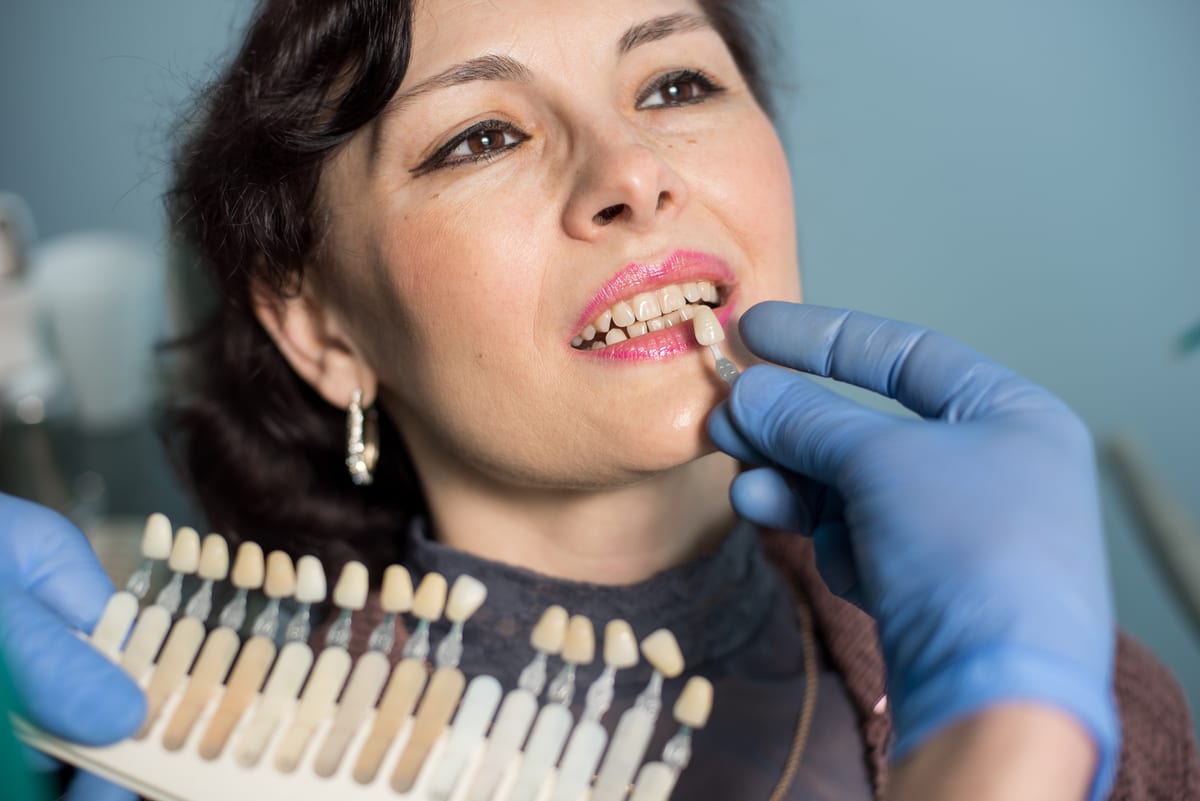
A veneer covers only the front-facing surface of a tooth. It is a thin shell — roughly 0.5 to 1 millimeter thick. Dentists use veneers primarily for cosmetic correction on otherwise healthy teeth.
Think of it this way: a crown is a protective cap, while a veneer is a cosmetic facing. The health of your underlying tooth drives which option your dentist will recommend.
When Your Dentist in York, SC Would Recommend a Crown
Crowns address structural problems. If your tooth has significant damage, a crown restores its full strength and function. Dr. Bernitsky evaluates the amount of healthy tooth structure remaining before recommending either option.
Your dentist is likely to recommend a crown when:
- A large cavity has destroyed more than half the tooth
- A tooth is cracked or fractured below the surface
- You have had a root canal and need to protect the treated tooth
- An old large filling has failed or weakened the surrounding enamel
- The tooth is severely worn from grinding or acid erosion
Crowns require more enamel removal than veneers. This is necessary to make room for the restoration. Because the process is irreversible, it is only recommended when clinically justified.
When a Veneer Makes More Clinical Sense
Veneers are the right choice when the tooth itself is healthy and intact. The goal is cosmetic improvement, not structural repair. Cosmetic Dentistry at White Rose Dentistry focuses on matching the right solution to the right problem.
A veneer is typically the better option when:
- The tooth has minor chips or surface cracks that do not affect strength
- Permanent staining does not respond to whitening treatments
- There are small gaps or spaces between front teeth
- The tooth is slightly misshapen or uneven in size
- Enamel erosion is minor and mostly cosmetic in nature
Veneers preserve more natural tooth structure. Because only the front surface is altered, the procedure is less invasive. However, veneers are not suitable for teeth with active decay, gum disease, or significant structural loss.
Your bite also matters. Patients who grind their teeth heavily may not be good veneer candidates. Veneers can chip under excessive pressure. Dr. Bernitsky will assess your bite before recommending any restoration.
How the Clinical Decision Is Actually Made
Your dentist does not choose between crowns and veneers based on appearance alone. The decision follows a clinical evaluation process. Several factors are weighed carefully before a recommendation is made.
Dr. Bernitsky considers the following during your exam:
- Structural integrity: How much healthy enamel and dentin remain?
- Location of damage: Is the damage visible from the front, or does it extend deeper?
- Bite and occlusion: Will the restoration hold up under your chewing forces?
- Gum health: Is the surrounding tissue stable and healthy?
- Patient goals: Is the primary concern function, aesthetics, or both?
Sometimes a crown can also improve appearance significantly. Modern porcelain crowns look very natural. In cases where both function and cosmetics are concerns, a crown may serve both purposes well.
In some situations, a combination of treatments makes the most sense. For example, a patient may need a crown on a back molar while veneers correct the appearance of front teeth. Dental Bridges may also factor into the overall treatment plan if missing teeth are involved.
What You Can Expect From Each Procedure
Understanding the process helps reduce anxiety. Both crowns and veneers require at least two appointments in most cases. The steps differ based on how much tooth preparation is needed.
For a crown, your dentist reshapes the tooth on all sides. An impression or digital scan is taken. A temporary crown protects the tooth while the permanent one is fabricated. At your second visit, the permanent crown is bonded in place.
For a veneer, a small amount of enamel is removed from the front surface only. An impression is taken. A temporary veneer may be placed. The permanent veneer is then bonded at your follow-up appointment.
Recovery for both procedures is minimal. Some sensitivity after preparation is normal. It typically resolves within a few days.
Conclusion: The Right Choice Starts With the Right Exam
Deciding between a crown and a veneer is not about preference — it is about clinical need. The condition of your tooth determines the best path forward. Dr. Laura Bernitsky and the team at White Rose Dentistry in York, SC are here to walk you through every option. Book Now to schedule your appointment with our team.
Frequently Asked Questions
Can a veneer be placed on a tooth that already has a filling?
It depends on the size of the filling. Small fillings may not affect veneer placement. However, large fillings can compromise the bond and the structural integrity of the tooth. Your dentist will evaluate the tooth before recommending a veneer in this case.
How long do crowns and veneers typically last?
Dental crowns generally last 10 to 15 years with proper care. Veneers typically last 10 to 12 years. Both restorations last longer when patients maintain good oral hygiene and avoid habits like nail biting or chewing ice.
Does getting a crown or veneer hurt?
Both procedures are performed under local anesthesia. You should not feel pain during the preparation. Some sensitivity afterward is normal and usually resolves within a few days. Dr. Bernitsky takes care to ensure patient comfort throughout every step.
Can veneers fix a cracked tooth?
Veneers can improve the appearance of a minor surface crack. However, they cannot repair a crack that affects the structural integrity of the tooth. A crack that extends deep into the tooth requires a crown or further evaluation to rule out additional damage.
Are crowns only used for damaged teeth?
Crowns are most commonly used to restore damaged teeth. However, they are also used to anchor dental bridges and to cover dental implants. In some cosmetic cases, a crown may be chosen over a veneer when the tooth requires more comprehensive reshaping.