Walk-Ins Welcome - Same-Day Dental Appointments Available - Call Us




Dental Crowns in York, SC


If your dentist just told you that you need a crown, you might feel confused — or even skeptical. Is it really necessary? Understanding why your dentist recommends a crown, and when you actually need one in York, can help you feel confident in your care. At White Rose Dentistry, Dr. Laura Bernitsky takes time to explain every recommendation clearly. This article walks you through the most common clinical reasons a crown becomes the right choice.
What Is a Dental Crown and What Does It Do?
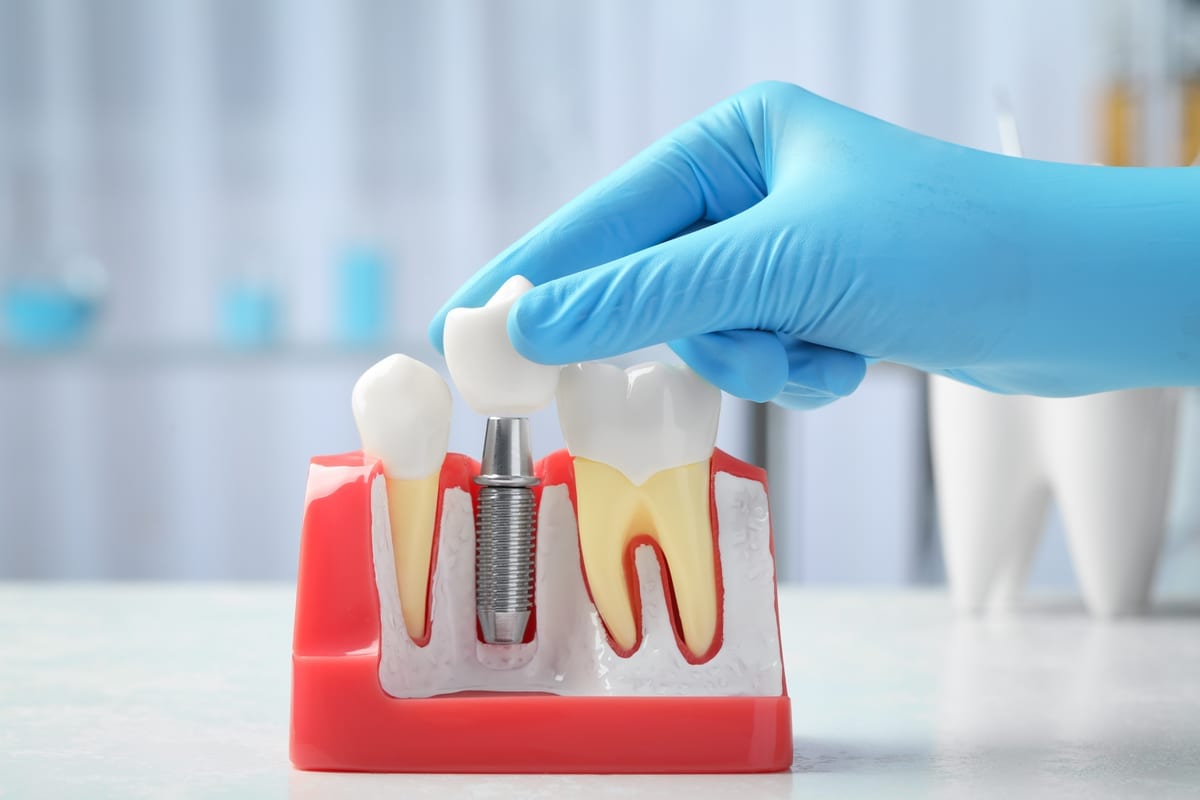
A dental crown is a tooth-shaped cap that fits over a damaged or weakened tooth. It restores the tooth’s shape, strength, and function. Crowns also protect what remains of the natural tooth structure underneath. Think of it as a protective helmet for a tooth that can no longer protect itself.
Crowns are made from materials like porcelain, zirconia, or porcelain fused to metal. Each material has specific advantages depending on the tooth’s location and your bite. Dr. Bernitsky will help you understand which material fits your situation best. The goal is always to give you a result that looks and functions naturally.
Common Clinical Reasons Your Dentist Recommends a Crown in York
Dentists do not recommend crowns casually. There are clear, clinical reasons why a tooth needs this level of protection. Below are the most frequent situations where a crown becomes the best solution.
- Cracked tooth: A crack can spread under biting pressure. A crown holds the tooth together and prevents the crack from deepening.
- Large or failing filling: When a filling becomes too large, the remaining tooth structure weakens. A crown distributes chewing force more safely.
- Post-root-canal protection: After a root canal, the tooth becomes brittle. A crown shields it from fracture during everyday chewing.
- Broken cusp: When a significant portion of the tooth breaks off, a filling alone cannot restore proper function. A crown rebuilds the full shape.
- Severe decay: If decay has destroyed too much of the tooth, a crown provides the only reliable long-term solution.
Each of these situations puts the tooth at real risk without intervention. Dr. Bernitsky uses X-rays and clinical exams to confirm when a crown is truly necessary. She will always explain her findings before moving forward with any treatment plan.
Why a Cracked Tooth Cannot Simply Be Filled
A cracked tooth is one of the trickiest dental problems to manage. Cracks are often invisible to the naked eye but cause sharp pain when biting down. A filling cannot bind the two sides of a crack together under pressure. Only a crown can wrap around the tooth and prevent further splitting.
Leaving a cracked tooth untreated is risky. The crack can extend into the root over time, which may lead to tooth loss. In some cases, infection can develop inside the tooth. Acting early with a crown often saves the tooth entirely.
Patients in York sometimes notice cracked teeth after chewing hard foods or grinding at night. If you feel sudden pain when biting, that is worth mentioning to Dr. Bernitsky right away. Early diagnosis leads to simpler, more affordable treatment.
When a Filling Is No Longer Enough
Fillings are excellent for small to moderate cavities. However, they have limits. When a filling covers more than about half the tooth’s surface, the remaining tooth structure becomes vulnerable. Each chewing motion puts stress on those thin walls of natural tooth, and they can crack or crumble over time.
Old amalgam fillings sometimes expand and contract with temperature changes. Over many years, this can cause micro-fractures in the surrounding tooth. Your dentist may spot these fractures on an X-ray or during an exam. Replacing a large, aging filling with a crown protects the tooth before a fracture occurs.
This is a preventive recommendation, not an unnecessary upgrade. Addressing the problem at this stage avoids a more complex and costly emergency later. Dr. Bernitsky always explains the clinical evidence so you can make an informed decision.
Crowns After Root Canal Treatment
Root canal therapy saves teeth that are infected or severely damaged inside. During the procedure, the inner pulp tissue is removed and the canals are sealed. This process leaves the tooth structurally intact but significantly more brittle. Without a crown, a root-canal-treated tooth is highly likely to fracture.
Most back teeth — molars and premolars — absorb significant chewing force daily. A crown placed after root canal therapy restores that tooth’s ability to handle normal biting and chewing. Front teeth sometimes skip this step, but your dentist will assess your specific case carefully.
- Crowns prevent fracture of root-canal-treated teeth
- They restore normal chewing function quickly
- They seal the tooth against future bacterial contamination
- They blend naturally with surrounding teeth for a seamless look
Dr. Bernitsky typically recommends placing the crown within a few weeks of completing root canal therapy. Waiting too long increases fracture risk. The sooner the crown is placed, the better the long-term outcome for that tooth.
How Crowns Connect to Your Overall Smile Health
Crowns do more than save individual teeth. They help maintain proper alignment and bite function across your whole mouth. A missing or severely damaged tooth can shift surrounding teeth over time. Restoring that tooth with a crown keeps everything in its correct position.
Crowns can also work alongside other treatments. If a tooth is lost despite best efforts, a Dental Bridge uses crowns on adjacent teeth to support a replacement tooth in the gap. This is a common and effective solution that Dr. Bernitsky offers right here in York. Understanding how these treatments work together helps you see the bigger picture of your dental health.
Some patients also explore Cosmetic Dentistry options alongside their crown treatment. A crown can be crafted to match or even improve on the appearance of your natural teeth. Combining functional and aesthetic goals is entirely possible with today’s dental materials.
What to Expect During the Crown Process at White Rose Dentistry
Getting a crown typically involves two visits to our York office. Here is a straightforward look at what the process involves.
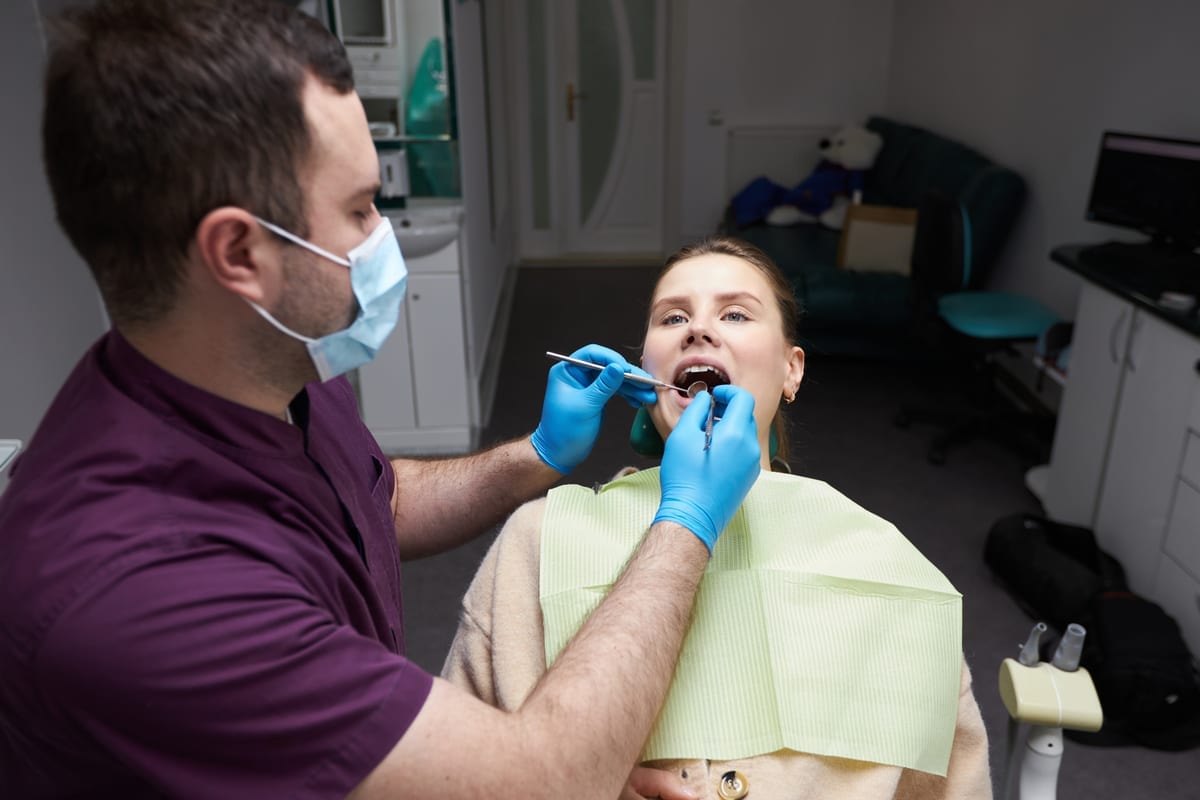
- Exam and planning: Dr. Bernitsky evaluates the tooth with X-rays and a clinical exam to confirm a crown is the right solution.
- Tooth preparation: The tooth is gently shaped to make room for the crown. A local anesthetic keeps you comfortable throughout this step.
- Impression or digital scan: An accurate impression of your tooth is taken so the crown fits precisely.
- Temporary crown: A temporary crown protects the tooth while your permanent crown is being crafted.
- Final placement: At your second visit, the permanent crown is fitted, adjusted, and cemented into place.
Most patients find the process straightforward and manageable. Dr. Bernitsky and her team prioritize your comfort every step of the way. If you have anxiety about dental visits, please let us know — we are happy to discuss options that help you feel at ease.
Conclusion: Trust the Recommendation — and Ask Questions
Understanding why your dentist recommends a crown helps you move forward with confidence. Whether it is a cracked tooth, a failing filling, post-root-canal care, or a broken cusp, the recommendation exists for clear clinical reasons. Dr. Laura Bernitsky at White Rose Dentistry in York is always willing to walk you through the evidence and answer every question you have. You deserve to understand exactly what is happening with your oral health. Book Now to schedule your appointment with our team.
Frequently Asked Questions
Does getting a dental crown hurt?
The procedure is performed under local anesthesia, so you should not feel pain during preparation or placement. Some mild soreness around the gum line is normal for a day or two afterward. Over-the-counter pain relief is usually sufficient for any post-procedure discomfort.
How long does a dental crown last?
With proper care, a dental crown typically lasts 10 to 15 years or longer. Good oral hygiene, regular check-ups, and avoiding habits like grinding your teeth help extend the crown’s lifespan significantly.
Can I wait to get a crown after my dentist recommends one?
Delaying a recommended crown can allow the tooth to worsen. A cracked tooth may split further, and a tooth without a post-root-canal crown can fracture. Acting promptly usually leads to a simpler, more successful outcome.
Will my crown look natural?
Yes. Modern crowns made from porcelain or zirconia are designed to match the color, shape, and translucency of your natural teeth. Most people cannot tell the difference between a well-crafted crown and a natural tooth.
What happens if I do not get a crown when I need one?
Without a crown, a structurally compromised tooth is at high risk of fracturing, developing infection, or being lost entirely. The tooth may eventually require extraction, which leads to more complex and costly replacement options. Addressing the need early is almost always the better path.