Walk-Ins Welcome - Same-Day Dental Appointments Available - Call Us




Why Your Teeth Cleanings Might Need to Happen More Often

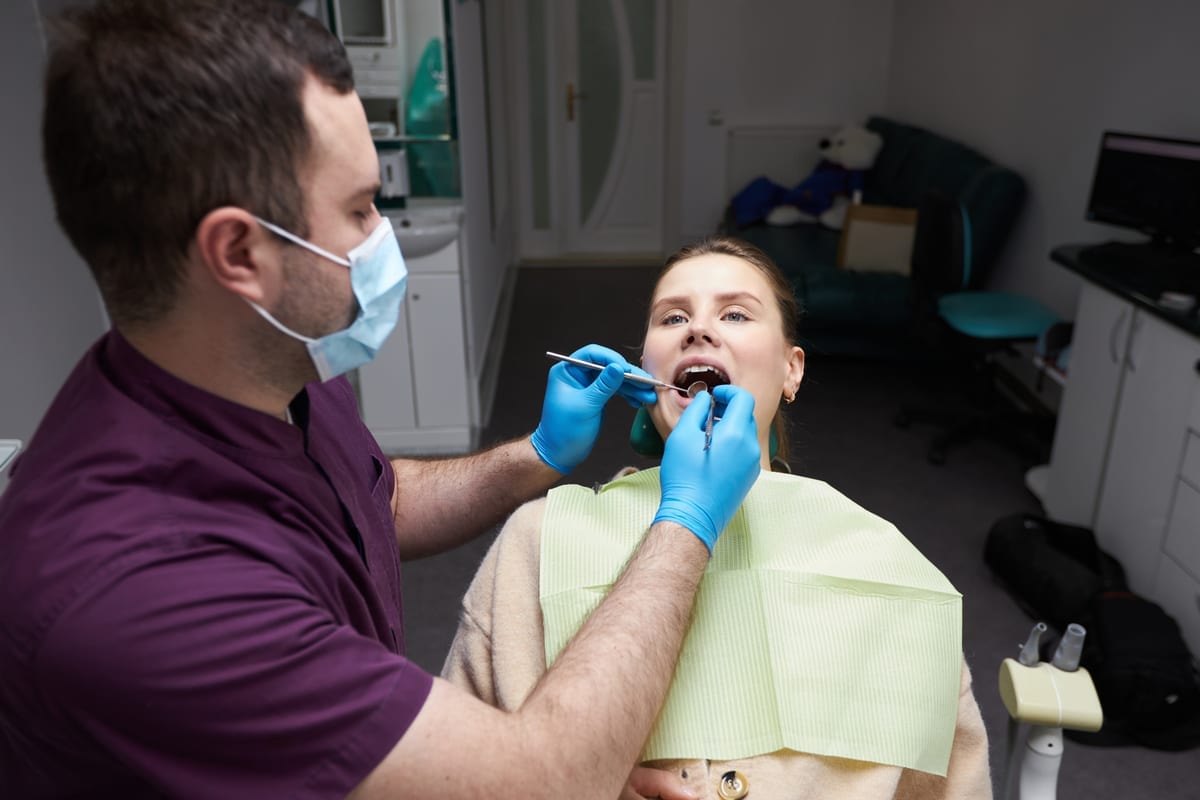
Most people grow up hearing the same advice: visit the dentist every six months. But if you have ever wondered why your teeth cleanings might need to happen more often in York, you are not alone. The truth is, six months is not the right interval for every patient. Some people genuinely need professional cleanings every three to four months. Understanding why can make a real difference for your long-term oral health.
At White Rose Dentistry, Dr. Laura Bernitsky takes a personalized approach to care. She evaluates each patient individually and recommends a cleaning schedule that fits their specific oral health needs. Let us walk through the key factors that determine how often you should really be coming in.
Why Teeth Cleanings Might Need to Happen More Often in York, SC
The standard six-month cleaning schedule works well for patients with healthy gums and a low risk of dental disease. However, many adults fall outside that low-risk category. Lifestyle, genetics, medical history, and even local environmental factors can all influence how quickly bacteria and tartar build up in your mouth.
York, SC has a warm, humid climate. Humidity can affect saliva composition and bacterial growth in the mouth. Combined with common lifestyle factors like diet and stress, some York residents may be more prone to plaque accumulation than they realize.
Scheduling your Cleanings Exams York more frequently is not a sign of poor hygiene. It is a proactive step toward protecting your teeth and gums from conditions that build up gradually over time.
Health Conditions That Can Affect Your Cleaning Schedule
Certain medical conditions make more frequent cleanings essential. If you have any of the following, Dr. Bernitsky may recommend a shorter interval between visits.
- Gum disease (gingivitis or periodontitis): Active or previous gum disease means bacteria return faster after cleaning.
- Diabetes: High blood sugar promotes bacterial growth and slows healing in gum tissue.
- Heart disease: Oral bacteria have been linked to cardiovascular risk. Cleaner teeth may support heart health.
- Dry mouth (xerostomia): Reduced saliva means fewer natural defenses against plaque.
- Immune disorders: A weakened immune system makes it harder to fight oral infections.
- Cancer treatment history: Radiation and chemotherapy can significantly affect oral tissue and saliva production.
These conditions do not just affect your general health. They change the environment inside your mouth. More frequent cleanings help control damage before it becomes severe.
Lifestyle Factors That Accelerate Plaque and Tartar Buildup
Even without an underlying medical condition, certain habits can cause bacteria and tartar to accumulate faster. Recognizing these factors helps explain why some patients simply need more frequent professional care.
Smoking and tobacco use are among the most significant contributors. Tobacco reduces blood flow to the gums and creates an environment where harmful bacteria thrive. Smokers face a significantly higher risk of gum disease, which almost always requires more frequent monitoring.
Diet also plays a major role. High sugar and high carbohydrate diets feed the bacteria responsible for tooth decay and gum inflammation. If your diet leans heavily on processed foods or sugary drinks, plaque may rebuild faster between visits.
- Tobacco or vaping use
- High-sugar or high-starch diet
- Chronic stress (which suppresses immune response)
- Poor sleep, which affects healing and immune function
- Infrequent or improper brushing and flossing technique
- Orthodontic appliances or dental work that traps plaque
Patients who identify with several of these factors often benefit significantly from three-to-four-month cleaning intervals. The goal is to stay ahead of the buildup rather than play catch-up at every visit.
Signs That Your Six-Month Schedule May No Longer Be Enough
Many patients do not realize their current schedule is falling short until a problem has already developed. There are some clear warning signs that your current cleaning frequency may need to increase.
Bleeding gums when you brush or floss is one of the most common early indicators. Healthy gums should not bleed regularly. Persistent bad breath, even after brushing, is another signal. It often indicates that bacteria are thriving beneath the gumline between visits.
You might also notice increased tooth sensitivity or visible tartar buildup near the gumline. These are signs that bacteria are winning the battle between your at-home care and your scheduled professional cleanings. Catching these early means simpler, less invasive treatment.
If you have been considering cosmetic improvements like Veneers York, maintaining a healthy foundation first is essential. No cosmetic treatment delivers lasting results if underlying gum health is compromised. Frequent cleanings protect your investment.
What to Expect When You Switch to a More Frequent Schedule
Patients sometimes worry that more frequent visits mean more invasive or uncomfortable procedures. In reality, the opposite is often true. When cleanings happen more often, there is less buildup to remove each time.
Each visit with Dr. Bernitsky includes a thorough examination of your gum tissue, bone levels, and overall oral health. She uses that information to track changes over time and adjust your care plan as needed. The process is collaborative and educational.
Here is what a typical enhanced-frequency cleaning schedule looks like at White Rose Dentistry:
- Initial comprehensive exam to assess your current gum and bone health
- Professional cleaning to remove existing plaque, tartar, and stain
- Personalized interval recommendation based on your risk factors
- At-home care coaching so your efforts between visits are as effective as possible
- Ongoing monitoring at each subsequent visit to track your progress
Over time, many patients with higher risk factors actually see their oral health stabilize and improve. Some eventually return to a standard six-month schedule once their gum health is well controlled.
Frequently Asked Questions
Is it normal to need cleanings every three to four months?
Yes, it is more common than many people realize. Patients with gum disease, certain medical conditions, or lifestyle factors like smoking often need more frequent professional cleanings. Dr. Bernitsky evaluates each patient individually and explains the reasoning behind any schedule recommendation.
Does needing more frequent cleanings mean my oral hygiene is bad?
Not at all. Many patients who brush and floss diligently still need three-to-four-month intervals due to genetics, medical history, or conditions like dry mouth. More frequent cleanings are a tool for managing your individual risk level, not a judgment on your home care routine.
How does Dr. Bernitsky determine the right cleaning interval for me?
Dr. Bernitsky performs a thorough examination of your gum tissue, probing depths, bone levels, and overall oral health. She also reviews your medical history and lifestyle factors. Based on all of that information, she recommends a cleaning schedule that fits your specific needs.
Will more frequent cleanings help prevent tooth loss?
Research strongly supports that more frequent professional cleanings reduce the risk of advanced gum disease, which is one of the leading causes of tooth loss in adults. Staying ahead of bacterial buildup protects both your teeth and the supporting bone structure.
Can I return to six-month cleanings once my gum health improves?
In many cases, yes. Once your gum health stabilizes and your risk factors are well managed, Dr. Bernitsky may recommend transitioning back to a standard interval. Your cleaning schedule is not permanent — it adapts as your oral health evolves over time.
If you have been wondering whether your current cleaning schedule is truly meeting your needs, now is a great time to find out. Dr. Laura Bernitsky and the team at White Rose Dentistry in York, SC are here to give you a personalized answer. Book Now to schedule your appointment with our team.