Walk-Ins Welcome - Same-Day Dental Appointments Available - Call Us



Dentures in York, SC: Full, Partial & Implant


If you are missing teeth in York, SC, you have more options today than ever before. Choosing between full, partial, and implant-supported dentures can feel overwhelming. Understanding each option helps you make a confident decision. This guide breaks down full vs partial vs implant dentures and which fits your life best in York.
Dr. Laura Bernitsky at White Rose Dentistry works with patients across York to find the right tooth replacement solution. Every person has a unique situation, budget, and lifestyle. There is no single right answer for everyone. Let’s walk through each type so you can ask the right questions at your next visit.
Full Dentures: Who They Suit and How They Work
Full dentures replace an entire arch of missing teeth — either upper, lower, or both. They rest directly on the gum tissue and are removable. Patients who have lost all or most of their natural teeth are typically the best candidates for full dentures.
The process usually begins with any remaining teeth being extracted. The gums then need time to heal before final dentures are placed. During that healing period, temporary dentures may be worn. Once your gums have settled, your dentist takes precise impressions and creates your custom set.
Full dentures are often the most affordable starting option for total tooth loss. However, they can shift slightly over time as your jawbone changes shape. Adhesives and regular adjustments help keep them comfortable and secure.
- Best for patients missing all teeth in one or both arches
- Removable and easy to clean each night
- Require periodic relining as bone structure changes
- Can restore a full, natural-looking smile quickly
- More affordable upfront compared to implant options
Partial Dentures in York: A Smart Option for Some Missing Teeth
Partial dentures are designed for patients who still have some healthy natural teeth remaining. They fill in the gaps left by missing teeth without replacing a full arch. A partial denture is custom-fitted to your mouth and clips onto existing teeth using metal or flexible clasps.
This option is a smart middle ground for many York patients. It prevents remaining teeth from shifting out of position. Shifting teeth can cause bite problems, jaw pain, and additional tooth loss over time. Partials protect your existing smile while restoring function.
Like full dentures, partials are removable and need daily cleaning. They tend to cost less than implant-supported options. Many patients find partials a comfortable long-term solution when properly maintained.
- Ideal for patients with several missing teeth but some healthy ones remaining
- Prevents natural teeth from drifting or tipping
- Custom-made to blend with the color and shape of your existing teeth
- Less invasive than implant procedures
- Can often be completed in fewer appointments
If you are also interested in improving the appearance of remaining teeth, ask Dr. Bernitsky about Cosmetic Dentistry options that can complement your partial denture beautifully.
Implant-Supported Dentures: Stability and Long-Term Confidence
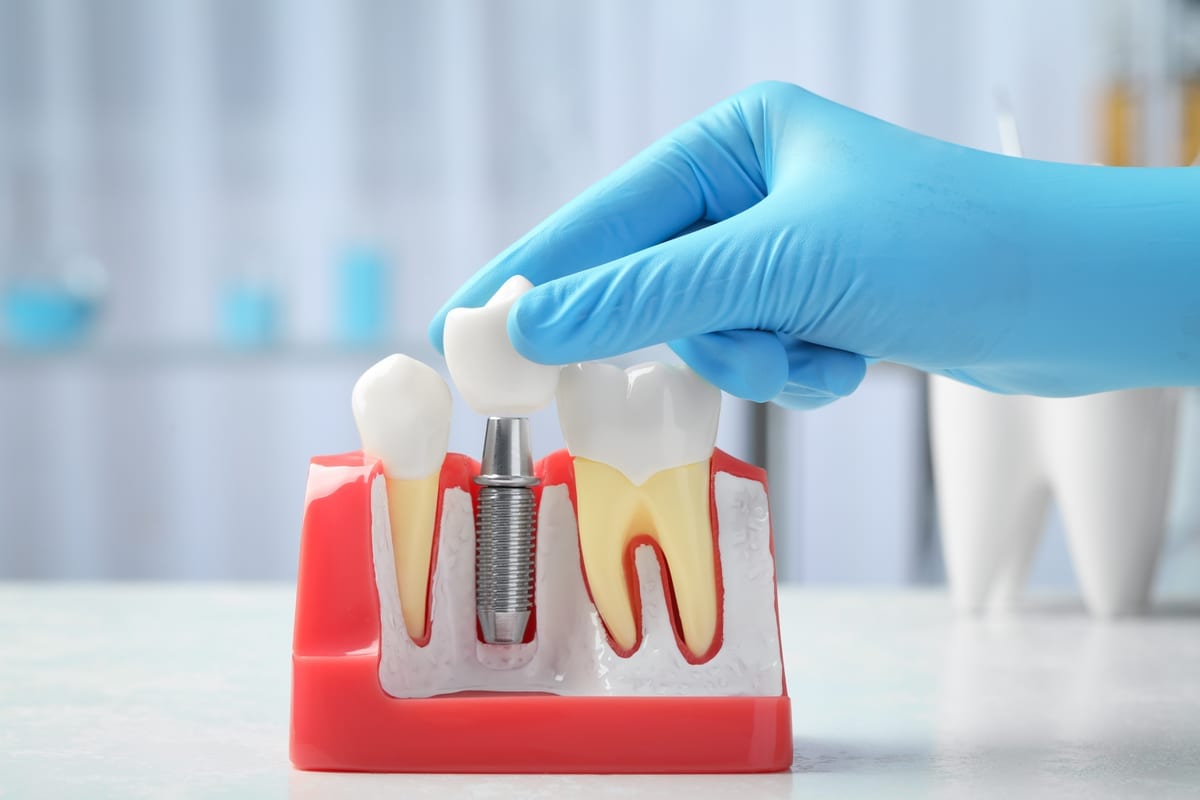
Implant-supported dentures combine the coverage of traditional dentures with the stability of dental implants. Small titanium posts are surgically placed into the jawbone. The denture then snaps or attaches securely onto those implants. This eliminates much of the slipping and discomfort associated with conventional dentures.
There are two main styles: removable implant dentures and fixed implant dentures. Removable versions snap on and off for cleaning. Fixed versions are secured permanently and can only be removed by your dentist. Both provide significantly more stability than traditional dentures.
Implant-supported dentures also help preserve jawbone density. When teeth are lost, the jawbone begins to shrink over time without stimulation. Implants mimic tooth roots and keep the bone active and healthy. This means a more youthful facial appearance over the long term.
The process involves a surgical phase, a healing phase, and then attachment of the denture. Total treatment time often spans several months. However, many patients feel the investment in comfort and confidence is well worth it.
For patients who need crowns placed on implant abutments, Dental Crowns may play an important role in completing your restoration beautifully and durably.
Comparing Your Options: Full vs Partial vs Implant Dentures in York
Making the right choice depends on several personal factors. These include how many teeth you are missing, your overall oral health, your bone density, and your lifestyle preferences. There is no one-size-fits-all answer in tooth replacement.
Here is a simple breakdown to help you compare at a glance:
- Full dentures — best for complete tooth loss; affordable; removable; may need future adjustments
- Partial dentures — best for multiple missing teeth with remaining healthy teeth; less invasive; removable
- Implant-supported dentures — best for maximum stability; preserves bone; higher initial investment; long-lasting results
Patients who are active, social, or concerned about denture movement often prefer implant-supported options. Patients seeking a faster or more accessible solution may start with traditional full or partial dentures. Some patients even begin with conventional dentures and later upgrade to implant support.
Dr. Bernitsky will thoroughly evaluate your mouth, discuss your goals, and recommend the best path forward. Her approach is educational, not pushy. She wants you to feel confident and informed at every step.
What to Expect at Your Consultation at White Rose Dentistry
Your journey begins with a comprehensive exam at our York, SC office. Dr. Bernitsky will review your dental and medical history. She will take X-rays and assess your bone structure, gum health, and remaining teeth. All of this informs which denture type makes the most sense for you.
From there, she will walk you through each option clearly. You will discuss realistic timelines, what each process involves, and what you can expect during recovery or adjustment. No question is too small — we encourage you to ask everything on your mind.
Our team at White Rose Dentistry is committed to making your experience comfortable and stress-free. We serve patients throughout York and the surrounding area with compassionate, personalized care. Your smile matters deeply to us, and we are here to help you restore it with confidence.
Ready to take the next step toward a complete, comfortable smile? Book Now to schedule your appointment with our team.
Frequently Asked Questions
How do I know if I need full or partial dentures?
If you have lost all your teeth in one or both arches, full dentures are typically recommended. If you still have several healthy natural teeth remaining, a partial denture may be the better fit. Dr. Bernitsky will evaluate your specific situation and guide you toward the right choice during your consultation at White Rose Dentistry in York, SC.
Are implant-supported dentures worth the extra investment?
For many patients, implant-supported dentures offer significant long-term value. They are far more stable than traditional dentures, help preserve jawbone density, and can last many years with proper care. The upfront process takes longer, but patients often report dramatically improved confidence and comfort in daily life.
How long does it take to get dentures made?
The timeline varies by type. Traditional full or partial dentures can often be completed within a few weeks to a couple of months. Implant-supported dentures require a surgical phase followed by a healing period that can span several months before the final denture is attached. Dr. Bernitsky will give you a realistic timeline at your first visit.
Will dentures affect how I eat or speak?
There is typically an adjustment period for both eating and speaking with new dentures. Most patients adapt within a few weeks. Implant-supported dentures tend to feel more natural during meals because they do not shift. Your dental team will provide guidance on foods to enjoy and exercises to help speed up your adaptation.
Can I upgrade from traditional dentures to implant-supported dentures later?
Yes, many patients choose this path. Starting with conventional dentures is a valid approach, especially while evaluating long-term options. As long as sufficient bone density remains — or can be restored with a bone graft — transitioning to implant-supported dentures is often possible. Dr. Bernitsky can assess your eligibility at any stage of your denture journey.