Walk-Ins Welcome - Same-Day Dental Appointments Available - Call Us



Teeth Cleaning in York, SC


Many patients in York, SC sit down for a routine cleaning and expect to leave with noticeably whiter teeth. That expectation is understandable — but it is not always accurate. Understanding what your teeth cleaning actually removes (and what it doesn’t) in York can save you frustration and help you plan smarter. At White Rose Dentistry, Dr. Laura Bernitsky believes informed patients get better results.
What a Professional Teeth Cleaning Actually Removes
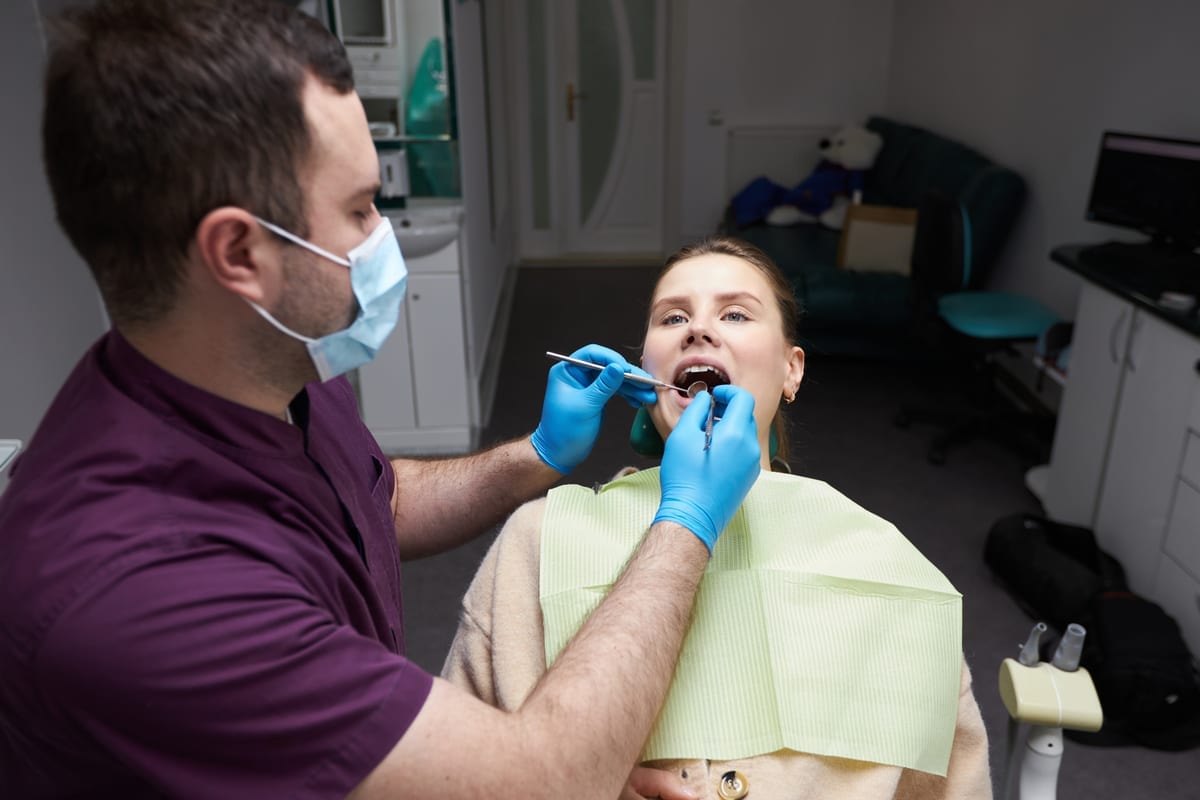
A professional cleaning does several important things that brushing and flossing simply cannot. The biggest benefit is the removal of hardened tartar, also called calculus. Tartar forms when plaque is not removed and mineralizes onto the tooth surface. Once tartar hardens, only a dental instrument can safely remove it.
Cleaning also removes soft plaque buildup from areas you may have missed at home. This plaque harbors bacteria that cause gum disease and tooth decay. Regular cleanings interrupt that cycle before it becomes a serious problem.
Here is a quick summary of what a standard cleaning removes:
- Hardened tartar above and just below the gumline
- Soft bacterial plaque from hard-to-reach areas
- Some light surface staining from food and beverages
- Debris and buildup along the gumline
Many patients notice their teeth look slightly brighter after a cleaning. That brightness comes from removing surface debris — not from changing the actual color of your enamel.
Surface Stains vs. Intrinsic Stains: A Key Difference in York
Not all tooth discoloration is the same. Surface stains, called extrinsic stains, sit on the outer layer of enamel. These come from coffee, tea, red wine, and tobacco. A professional cleaning can reduce or remove some of these stains.
Intrinsic stains are different. These discolorations live inside the tooth structure itself. They result from aging, certain medications, or trauma to the tooth. A cleaning cannot touch intrinsic staining at all.
Here is how to tell the two types apart:
- Extrinsic stains: Yellow or brown tones on the surface, often uneven, linked to diet or tobacco
- Intrinsic stains: Deeper gray or white spots, consistent across the tooth, unrelated to diet
Understanding which type of staining you have helps Dr. Bernitsky recommend the right next step for your smile.
What a Teeth Cleaning Cannot Do
A cleaning is not a whitening treatment. It does not bleach enamel or change your tooth’s natural shade. Patients sometimes leave disappointed when heavy staining remains after their appointment. That disappointment is avoidable with the right expectations.
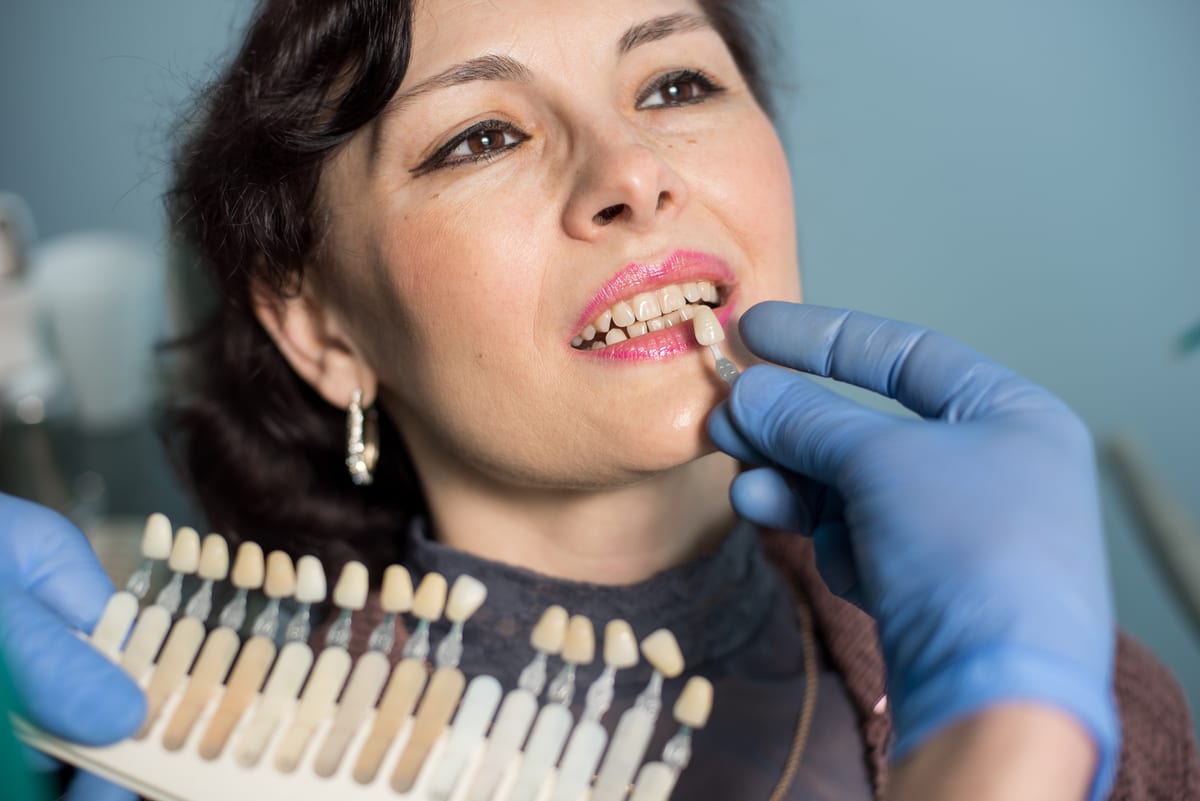
Deep stains from years of coffee drinking, smoking, or aging often require a dedicated whitening approach. Options like professional whitening, Cosmetic Dentistry treatments, or veneers address discoloration that cleaning alone cannot fix. Dr. Bernitsky can help you identify the best path forward based on your specific situation.
A cleaning also does not repair structural damage. Chips, cracks, and worn enamel require restorative options like Dental Crowns. Knowing this distinction helps you use each dental visit to its full potential.
How to Maximize Your Results After a Cleaning in York
Getting the most from your cleaning starts before you even sit in the chair. Consistent brushing twice daily and daily flossing keep plaque levels low between visits. Less plaque buildup means a faster and more effective cleaning appointment.
After your cleaning, be mindful of staining foods and beverages for the first 24 to 48 hours. Your teeth are slightly more porous right after a cleaning. Avoiding coffee, tea, and dark sauces during that window helps protect the fresh, clean surface.
Ask Dr. Bernitsky about your cleaning frequency during your next visit. Some patients need cleanings every six months. Others with higher tartar buildup or gum concerns may benefit from visits every three to four months.
Pairing regular cleanings with a proper at-home routine is the single most effective strategy for long-term oral health. No whitening treatment or cosmetic procedure replaces that foundation.
When to Ask About Whitening or Cosmetic Options
If your teeth still look dull or discolored after a thorough cleaning, that is a good time to ask questions. Dr. Bernitsky at White Rose Dentistry will take an honest look at what is causing the discoloration. She will explain whether whitening, veneers, or another approach makes the most sense for your goals.
Professional whitening works by using a bleaching agent to lighten the actual shade of your enamel. It is safe and effective when done correctly under dental supervision. Over-the-counter products can help with mild surface staining but rarely match professional results.
Veneers are a longer-term cosmetic option for patients with deep staining, chips, or uneven teeth. They cover the front surface of the tooth entirely and create a uniform, bright appearance. A conversation with Dr. Bernitsky is the best way to know which option fits your needs and budget.
York patients deserve clear, honest guidance — not a sales pitch. White Rose Dentistry is here to give you the facts so you can make a confident decision about your smile. Book Now to schedule your appointment with our team.
Frequently Asked Questions
Does a teeth cleaning whiten your teeth?
A teeth cleaning can remove light surface stains, which may make your teeth look slightly brighter. However, it does not bleach enamel or change your tooth’s natural color. For noticeable whitening, a dedicated whitening treatment is needed.
How long do the results of a teeth cleaning last in York?
The plaque and tartar removal from a cleaning is long-lasting, but new buildup begins almost immediately. Most patients benefit from cleanings every six months. Those with gum concerns or heavy tartar buildup may need more frequent visits.
Why do my teeth still look yellow after a cleaning?
Yellow discoloration that remains after a cleaning is often intrinsic staining. This type of staining lives inside the tooth structure and cannot be removed by cleaning alone. Dr. Bernitsky can evaluate your staining and recommend whitening or cosmetic options that can help.
Can a cleaning remove coffee or tea stains?
Light coffee and tea stains that sit on the enamel surface can often be reduced during a professional cleaning. Heavy or long-standing staining from these beverages may require professional whitening for full removal. Your dental hygienist will let you know what to expect during your visit.
How is a professional cleaning different from brushing at home?
At-home brushing removes soft plaque from accessible surfaces. A professional cleaning removes hardened tartar, cleans below the gumline, and reaches areas your toothbrush simply cannot. It is an essential part of preventive dental care that brushing alone cannot replace.