Walk-Ins Welcome - Same-Day Dental Appointments Available - Call Us




Professional Teeth Cleaning in York, SC


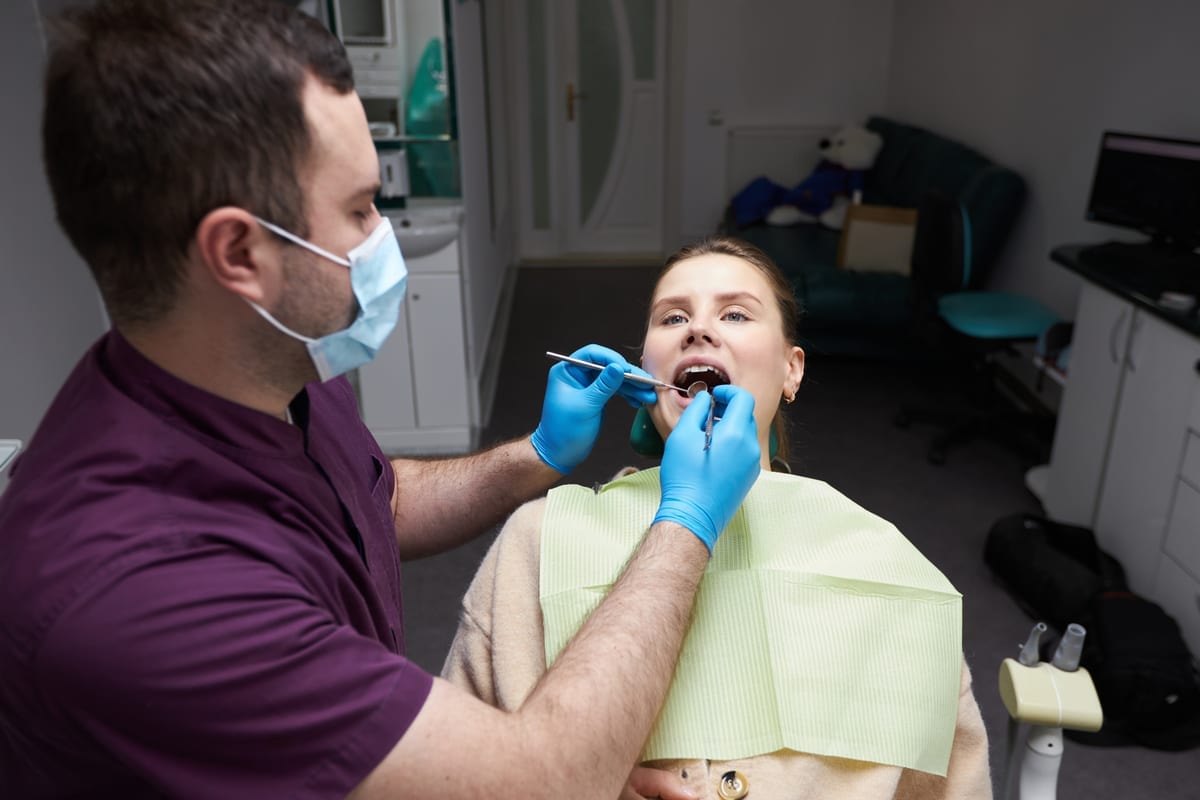
Most patients sit back and assume their hygienist is just polishing teeth. In reality, understanding what your hygienist actually does during a professional cleaning in York can completely change how you feel about your appointment. Each step serves a specific purpose. At White Rose Dentistry, Dr. Laura Bernitsky and her team want every patient to feel informed and at ease before they even sit in the chair.
Step One: Your Health History and Oral Assessment
Before any tools come out, your hygienist reviews your health history. Medical conditions, medications, and lifestyle habits all affect your oral health. This step helps the hygienist tailor the cleaning to your specific needs.
Next, they perform a visual exam of your gums, teeth, and soft tissues. They check for signs of inflammation, recession, or unusual spots. Early detection of these issues can prevent bigger problems down the road.
Your hygienist may also take X-rays during this visit. These images reveal what the eye simply cannot see — decay between teeth, bone loss, or infections hiding below the gumline. This part of the visit is diagnostic, not just preparatory.
Step Two: Scaling and Removing Tartar Buildup in York
Once the assessment is complete, the real cleaning begins. Your hygienist uses a tool called a scaler to remove hardened tartar, also called calculus. Tartar cannot be removed with a toothbrush at home — only professional tools can break it away.
You may hear scraping sounds during this phase. That is completely normal and expected. The hygienist works carefully around the gumline and between each tooth.
Some patients also receive an ultrasonic scaler. This device uses vibration and a water spray to loosen stubborn deposits. It is especially useful for patients with heavy buildup or sensitive gums.
- Tartar forms when plaque hardens over time, often within 24 to 72 hours
- Buildup near the gumline is a primary cause of gum disease
- Even diligent brushers develop tartar that requires professional removal
- Scaling prevents bacteria from settling deeper into the gum pocket
Step Three: Polishing, Flossing, and Fluoride
After scaling, your hygienist polishes your teeth with a gritty paste called prophy paste. A rotating rubber cup buffs away surface stains and smooths enamel. This step leaves your teeth feeling noticeably clean and looking brighter.
Professional flossing follows the polish. Your hygienist slides floss between every contact point. This removes any remaining debris and checks for tight or bleeding areas that may signal gum issues.
Many cleanings finish with a fluoride treatment. Your hygienist applies a foam, gel, or varnish directly to the teeth. Fluoride remineralizes enamel and provides a layer of protection against decay until your next visit.
- Prophy paste comes in several grits — your hygienist selects the right one for your enamel
- Professional flossing reaches angles most patients miss at home
- Fluoride varnish sets quickly and continues working for hours after your appointment
- This final phase typically takes only five to ten minutes
What Your Hygienist Is Looking For Beyond Plaque
A skilled hygienist does more than clean teeth. Throughout your appointment, they observe your gums, tongue, cheeks, and jaw. They watch for signs that go beyond surface buildup.
Gum pocket depth is one key measurement. Your hygienist uses a small probe to measure the space between your tooth and gum. Healthy pockets are typically between one and three millimeters. Deeper pockets may signal the beginning of gum disease.
Your hygienist also looks for signs of teeth grinding, which is also known as bruxism. Worn enamel and flattened biting surfaces are common clues. These findings connect directly to conditions like TMJ disorder, which Dr. Bernitsky can evaluate and treat.
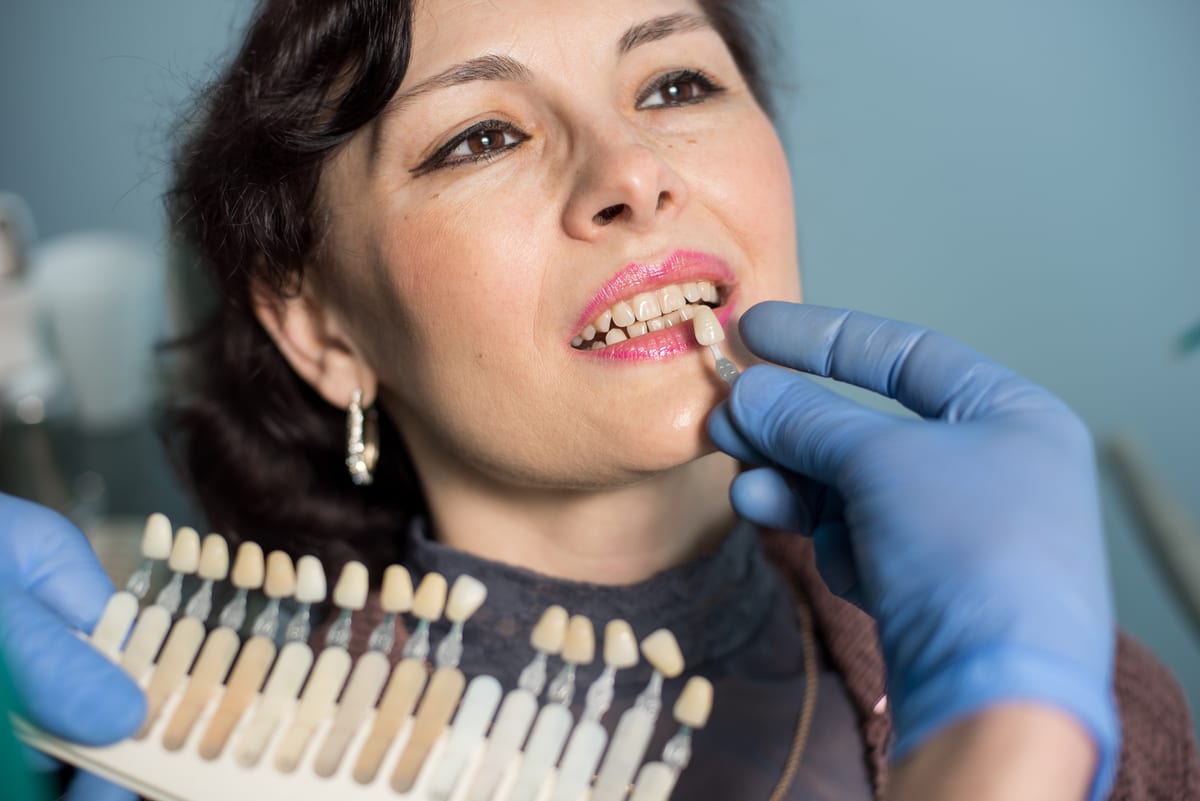
If your hygienist notices changes in your smile’s appearance, they may discuss options with you. This could include a referral to learn more about Cosmetic Dentistry treatments that enhance both function and aesthetics. They might also flag a tooth that needs structural support, such as a Dental Crowns evaluation with Dr. Bernitsky.
How Often Should You Schedule a Professional Cleaning?
Most patients benefit from a cleaning every six months. However, your hygienist may recommend a different schedule based on your findings. Patients with active gum disease or heavy buildup often visit every three to four months.
Consistency matters more than many patients realize. Regular cleanings remove what daily brushing and flossing cannot. They also give your care team a chance to catch small problems before they grow into costly ones.
Skipping appointments allows tartar to accumulate unchecked. Over time, this leads to gum inflammation, bone loss, and decay. Staying on schedule is one of the most effective things you can do for your long-term oral health.
Conclusion: Your Cleaning Appointment Does More Than You Think
A professional cleaning at White Rose Dentistry is a full oral health evaluation, not just a polish. Your hygienist assesses, scales, polishes, and monitors your mouth from start to finish. Every tool and every step has a specific purpose tied to your health. Patients in York, SC deserve to know exactly what is happening — and why — during every visit. Book Now to schedule your appointment with our team.
Frequently Asked Questions
Does a professional cleaning hurt?
Most patients experience little to no discomfort during a standard cleaning. If you have sensitive gums or heavy tartar buildup, you may feel some pressure or mild sensitivity. Let your hygienist know if anything feels uncomfortable — they can adjust their technique or offer topical numbing to help.
How long does a professional cleaning appointment take?
A typical cleaning appointment at White Rose Dentistry takes between 45 and 60 minutes. If X-rays are included or additional concerns arise, the visit may run a bit longer. Patients with significant buildup or gum issues may need more time as well.
What is the difference between a regular cleaning and a deep cleaning?
A regular cleaning focuses on the surfaces above the gumline and shallow pockets. A deep cleaning, also called scaling and root planing, goes below the gumline to remove buildup from the root surfaces. Your hygienist determines which type you need based on your pocket depth measurements and gum health.
Can a cleaning help with bad breath?
Yes. Bad breath is often caused by bacteria living in plaque and tartar deposits. Removing those deposits during a professional cleaning significantly reduces odor-causing bacteria. Your hygienist can also identify other sources of bad breath, such as gum disease or dry mouth.
Is it normal for my gums to bleed during a cleaning?
Some bleeding during a cleaning is common, especially if your gums are inflamed or if you do not floss regularly at home. It is not something to ignore, though. Consistent bleeding may indicate early gum disease. Your hygienist will note any bleeding and discuss what it means for your gum health going forward.