Walk-Ins Welcome - Same-Day Dental Appointments Available - Call Us




Is a Dental Bridge Right for Your Missing Tooth

Losing a tooth can feel overwhelming. You may wonder whether a dental bridge is right for your missing tooth in York, or whether another option suits you better. At White Rose Dentistry, Dr. Laura Bernitsky helps patients understand their choices with honest, clear guidance. This article walks you through who makes a good candidate, what the evaluation involves, and which factors shape your treatment plan.
What Is a Dental Bridge and How Does It Work?
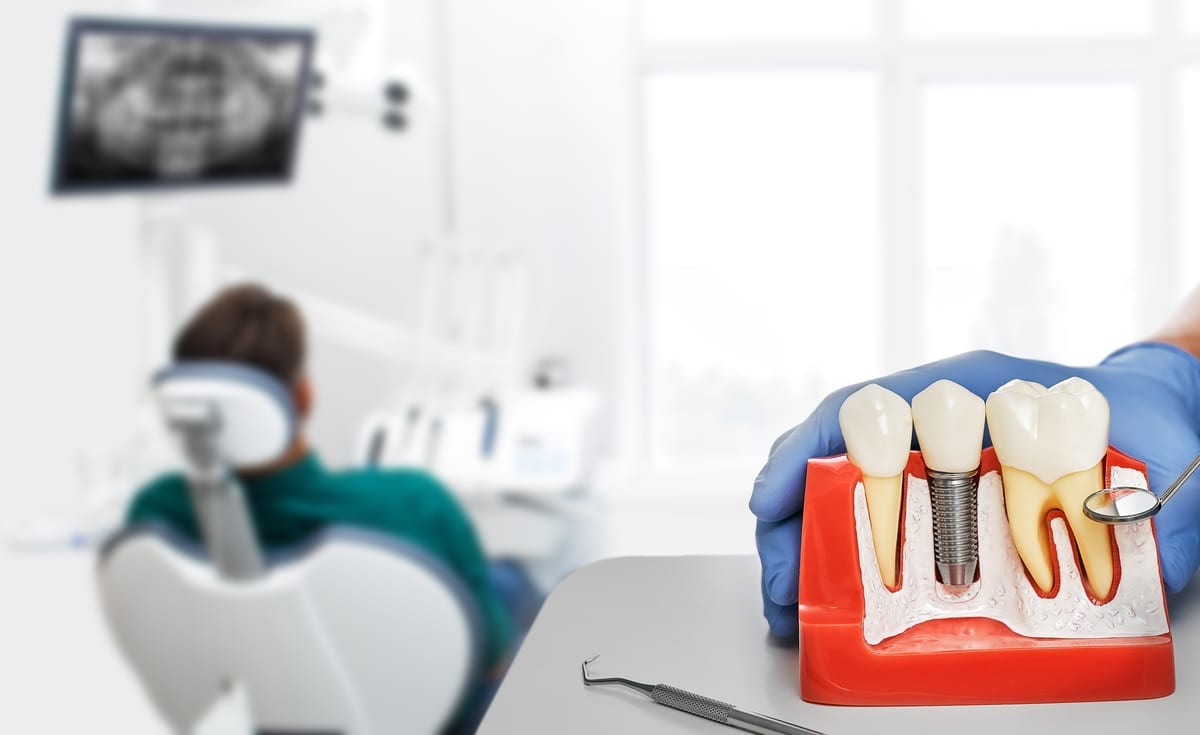
A dental bridge is a fixed restoration that fills the gap left by one or more missing teeth. It uses the teeth on either side of the gap — called abutment teeth — as anchors. A false tooth, called a pontic, sits in the middle and restores your bite and smile.
Bridges are cemented in place permanently. Unlike removable options, you cannot take them out at home. This makes them feel and function much like natural teeth for most patients.
Dr. Bernitsky typically recommends bridges when a patient has healthy neighboring teeth and enough bone structure to support the restoration. Not every gap is the same, so a thorough evaluation always comes first.
Who Is a Good Candidate for a Dental Bridge in York?
Candidacy for a bridge depends on several factors specific to your mouth. Dr. Bernitsky looks at the health of the teeth adjacent to your gap. Those teeth must be strong enough to anchor the bridge securely.
Good candidates generally meet these criteria:
- One to three consecutive missing teeth in the same area
- Healthy surrounding teeth with adequate enamel and root strength
- Sufficient jawbone density beneath the gap
- Good overall gum health with no active periodontal disease
- A commitment to daily brushing and flossing
Patients with significant bone loss or very weakened neighboring teeth may need a different approach. Dr. Bernitsky will discuss every option openly so you can make a confident decision.
What Does the Candidacy Evaluation Involve?
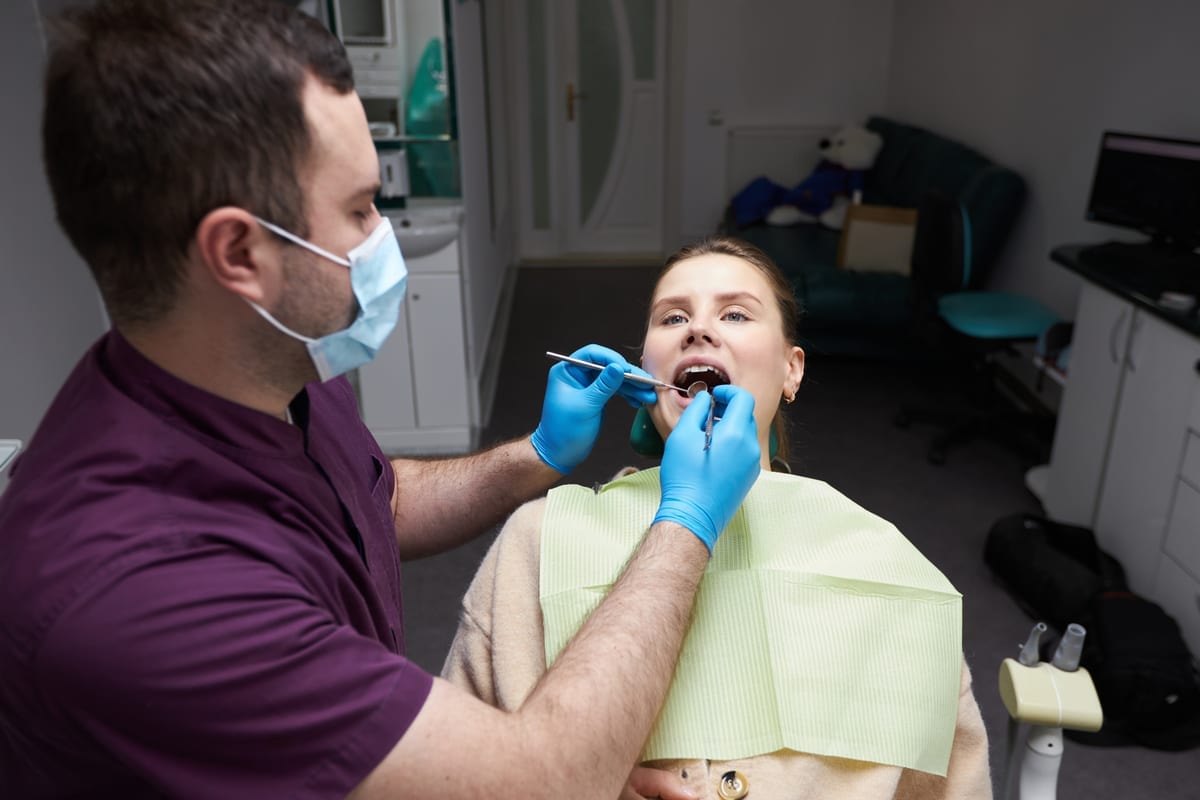
Your first step is a comprehensive exam at White Rose Dentistry. Dr. Bernitsky will take digital X-rays to assess bone levels and root health. She will also examine your gum tissue for signs of inflammation or disease.
Healthy gums are a prerequisite for a successful bridge. If any gum issues are present, treatment comes first. Scheduling a Cleanings Exams York appointment is often the starting point for patients who have not had a recent checkup.
During the evaluation, Dr. Bernitsky will also consider your bite and jaw alignment. Uneven pressure or untreated TMJ issues can affect how well a bridge holds up over time. She takes a full-mouth view rather than just focusing on the gap.
Here is what you can expect during your evaluation visit:
- A review of your dental and medical history
- Digital X-rays and possibly a 3D scan of the area
- A visual and physical exam of surrounding teeth and gums
- A conversation about your goals, timeline, and options
- A personalized treatment recommendation from Dr. Bernitsky
Factors That Influence Whether a Bridge Is the Best Approach
Not every missing tooth situation calls for a bridge. Several factors help determine the best path forward for each patient.
Number of missing teeth: Bridges work well for one to three adjacent missing teeth. Larger gaps may require alternative solutions to distribute bite pressure properly.
Location in the mouth: Front teeth and back teeth experience different forces. Dr. Bernitsky will evaluate whether a bridge can withstand the chewing load in your specific location.
Age and bone health: Younger patients sometimes benefit from waiting for full jaw development. Older patients may have bone changes that influence the decision. Each case is evaluated individually.
Cosmetic goals: Some patients also want to address the appearance of nearby teeth. In those cases, Dr. Bernitsky may discuss how Veneers York could complement a bridge for a complete smile makeover.
How a Bridge Compares to Other Missing Tooth Solutions
Patients often ask how bridges compare to implants or partial dentures. Each option has strengths depending on your situation. Understanding the differences helps you have a more informed conversation with Dr. Bernitsky.
Here is a quick comparison of key points:
- Dental bridge: Fixed, no surgery required, relies on adjacent teeth, typically completed in two visits
- Dental implant: Standalone restoration, requires surgery and healing time, preserves jawbone independently
- Partial denture: Removable, more affordable upfront, requires daily removal for cleaning
Bridges offer a strong middle ground for many patients. They provide a permanent feel without the surgical process of implants. For patients who are not implant candidates due to bone loss or medical history, a bridge is often the most practical fixed option.
Dr. Bernitsky never recommends a single solution without reviewing your full picture. Her goal is to match the right restoration to your unique anatomy and lifestyle.
Taking the Next Step at White Rose Dentistry in York
If you have been wondering whether a dental bridge is right for your missing tooth in York, the clearest answer comes from a professional evaluation. Dr. Laura Bernitsky at White Rose Dentistry combines clinical expertise with a warm, patient-first approach. She takes time to explain findings and answer every question you have.
Missing teeth affect more than your smile. They can shift neighboring teeth, change your bite, and impact your confidence over time. Acting sooner rather than later gives you more options and better long-term outcomes.
The team at White Rose Dentistry is ready to help you take that first step toward a complete, healthy smile. Book Now to schedule your appointment with our team.
Frequently Asked Questions
How long does a dental bridge last?
With proper care, a dental bridge typically lasts ten to fifteen years or longer. Regular cleanings, good brushing habits, and avoiding very hard foods help extend its lifespan significantly.
Does getting a dental bridge hurt?
The procedure is performed under local anesthesia, so you should not feel pain during the appointment. Some sensitivity in the treated area is normal for a few days afterward. Dr. Bernitsky will guide you on managing any discomfort during recovery.
Can I get a bridge if my neighboring teeth have crowns?
Yes, in many cases existing crowns can serve as abutment teeth for a bridge. Dr. Bernitsky will evaluate the condition and fit of the existing restorations to confirm they are strong enough to support the bridge properly.
How do I clean under a dental bridge?
Cleaning under a bridge requires a floss threader or a water flosser to reach beneath the pontic. Dr. Bernitsky and her team will show you exactly how to clean your bridge at home to prevent plaque buildup and gum problems.
What happens if I wait too long to replace a missing tooth?
Delaying replacement allows neighboring teeth to drift into the gap, which can affect your bite and jaw alignment. Bone loss in the area can also progress over time, potentially limiting your treatment options later. Early evaluation gives you the most flexibility.