Walk-Ins Welcome - Same-Day Dental Appointments Available - Call Us



Are You Actually a Good Candidate for Veneers?

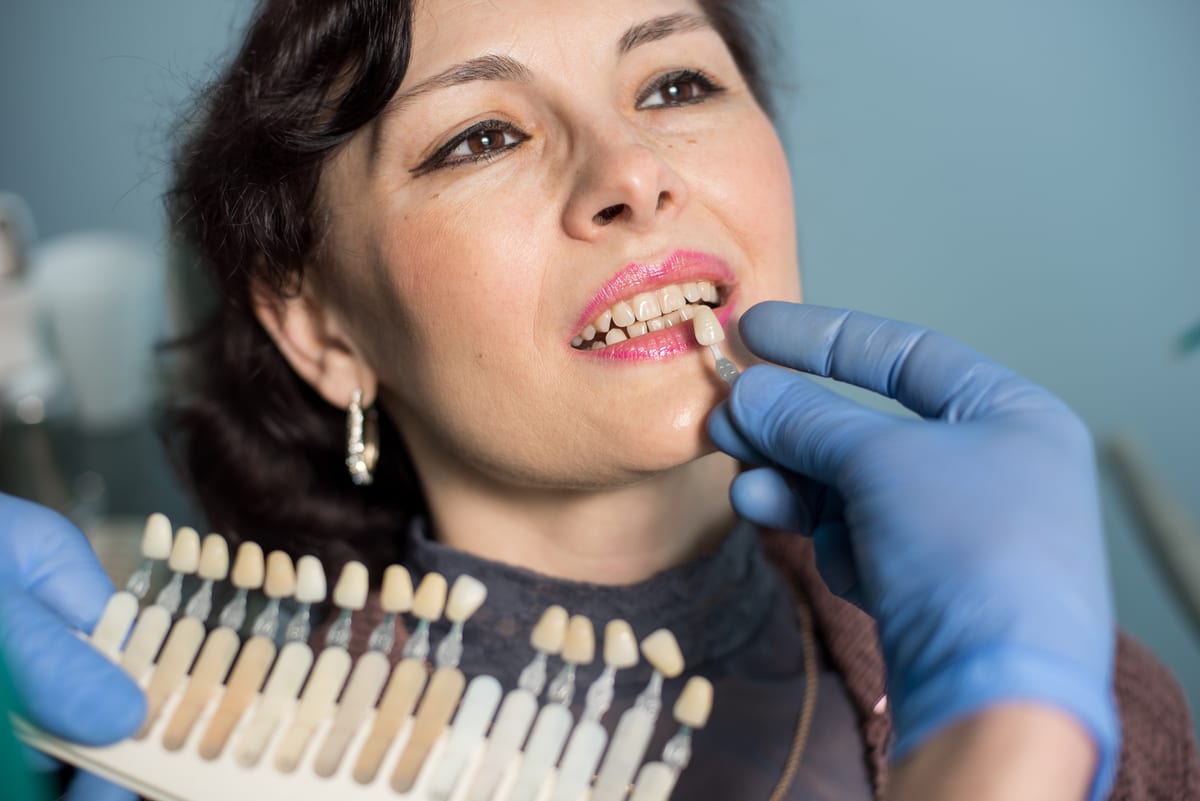
Veneers can completely transform a smile. But they are not the right choice for everyone. If you have been wondering, are you actually a good candidate for veneers in York, this article is for you. Dr. Laura Bernitsky at White Rose Dentistry helps patients make confident, informed decisions every day.
This guide gives you a simple self-screening checklist. You will learn about tooth structure, gum health, bite alignment, and lifestyle habits. By the end, you will have a much clearer picture of where you stand.
What Are Veneers and Who Are They Designed For?
Veneers are thin shells of porcelain or composite resin. They bond directly to the front surface of your teeth. They cover chips, cracks, stains, gaps, and minor shape irregularities. They are a cosmetic solution, not a restorative one.
Veneers work best for patients with healthy teeth and gums. They are ideal for adults who want a lasting cosmetic upgrade. They are not designed to fix deep structural damage or active decay. A consultation with Dr. Bernitsky helps clarify which category you fall into.
Good candidates are generally in good oral health overall. They have realistic expectations about results and recovery. They understand veneers require some irreversible enamel removal. And they are committed to caring for their smile long-term.
Tooth Structure Requirements: Do You Have Enough Enamel?
Enamel is the outer layer of your tooth. Placing veneers requires removing a thin layer of it. This process is permanent and cannot be reversed. That is why having adequate enamel is essential.
If your enamel is significantly worn down, veneers may not bond properly. Teeth with heavy erosion from acid reflux or grinding can be poor candidates. Your dentist will evaluate enamel thickness during your exam. Patients with thin enamel may need alternative treatments instead.
Active tooth decay is also a disqualifier — at least temporarily. Decay must be treated before any cosmetic work begins. Placing veneers over unhealthy teeth causes bigger problems later. Once your teeth are healthy and restored, veneers may become an option again.
- Sufficient enamel thickness for bonding
- No untreated cavities or decay
- No severe structural cracks or fractures
- Teeth that are not excessively worn down
Gum Health and Bite Considerations in York Patients
Healthy gums are a non-negotiable requirement for veneers. Gum disease causes inflammation, recession, and bone loss. Placing veneers on unhealthy gums leads to poor outcomes. Your gum health must be stable before treatment begins.
Regular Cleanings Exams York are the foundation of gum health. These visits catch early gum disease before it becomes serious. If gum disease is present, it needs to be fully treated first. Then your dentist can reassess your candidacy for veneers.
Bite alignment also matters significantly. A misaligned bite puts uneven pressure on teeth and veneers. This can crack or dislodge veneers much sooner than expected. Patients with significant bite issues may need orthodontic treatment before veneers.
TMJ disorders can also affect veneer candidacy. Jaw clenching and tension put extra stress on dental restorations. Dr. Bernitsky will evaluate your jaw function as part of the consultation. Addressing these concerns first protects your investment long-term.
Habits That Can Make or Break Your Candidacy
Your daily habits have a direct impact on veneer success. Some habits are strong red flags during a candidacy screening. Others are simply things to manage carefully after treatment. Knowing where you stand helps you prepare.
Teeth grinding, known as bruxism, is one of the most common concerns. Grinding puts enormous pressure on porcelain veneers. Over time, it can cause chips or complete fractures. A custom night guard can help manage this habit after veneers are placed.
Nail biting, chewing ice, and using teeth as tools also cause damage. These habits can crack veneers just as easily as natural teeth. Patients willing to modify these behaviors make better candidates. Commitment to change is part of candidacy.
- Bruxism (teeth grinding) — manageable with a night guard
- Nail biting and chewing hard objects — habits to eliminate
- Smoking or tobacco use — can stain and weaken bonding
- Inconsistent oral hygiene — increases risk of decay under veneers
- Heavy coffee, wine, or staining food consumption — manageable with care
Smoking and tobacco use are also important factors. They can stain composite veneers and weaken the bonding agent over time. Patients who smoke are encouraged to discuss this openly with Dr. Bernitsky. Quitting before treatment significantly improves results.
Are You Actually a Good Candidate for Veneers in York? Use This Quick Checklist
Self-screening is a great first step. It helps you arrive at your consultation informed and ready. Use this checklist to evaluate your baseline candidacy. A professional exam will give you the final, definitive answer.
Ask yourself these questions honestly. If most of your answers are yes, veneers may be a strong option. If several answers are no, you may need preparatory treatment first. Either way, White Rose Dentistry can guide you through the process.
- Do I have healthy gums with no active gum disease?
- Are my teeth free from untreated cavities or decay?
- Do I have enough enamel for bonding?
- Is my bite reasonably aligned without severe issues?
- Am I willing to adjust habits like grinding or nail biting?
- Do I have realistic expectations about cosmetic outcomes?
- Am I committed to long-term maintenance and dental hygiene?
If you answered yes to most of these, you are likely a strong candidate. If you have concerns about any of them, that is completely normal. Many patients need minor preparatory work before veneers. The team at White Rose Dentistry will create a clear plan for you.
Patients across Family Dentistry York services benefit from comprehensive evaluations before cosmetic treatment begins. This full-picture approach ensures your smile goals are built on a healthy foundation.
What to Expect During Your Veneer Consultation at White Rose Dentistry
Your consultation is a no-pressure, educational appointment. Dr. Bernitsky will review your dental and medical history. She will examine your teeth, gums, bite, and jaw function. Digital imaging may be used to assess your current oral health status.
You will have plenty of time to ask questions and share your goals. The team will walk you through what veneers can and cannot address. If veneers are not the right fit yet, other cosmetic options will be discussed. Every recommendation is personalized to your unique smile.
The goal is always long-term success and patient satisfaction. Rushing into veneers without proper screening leads to disappointment. Taking the time to evaluate candidacy carefully protects you and your smile. York patients deserve a process that puts their health first.
Frequently Asked Questions
How long do veneers typically last?
Porcelain veneers generally last between 10 and 15 years with proper care. Composite veneers tend to last 5 to 7 years. Good oral hygiene, regular dental visits, and avoiding damaging habits extend their lifespan significantly. Dr. Bernitsky will discuss expected longevity during your consultation.
Can I get veneers if I have sensitive teeth?
Tooth sensitivity is not an automatic disqualifier for veneers. However, the enamel removal process can temporarily increase sensitivity. Some patients with existing sensitivity may experience more discomfort than others. Your dentist will evaluate your sensitivity levels and discuss management options before treatment.
Do veneers require special maintenance or care?
Veneers do not require dramatically different care from natural teeth. Brushing twice daily, flossing, and attending regular dental cleanings are essential. Avoid biting hard objects or using your teeth as tools. A night guard may be recommended if you grind your teeth.
What happens if I’m not a candidate for veneers right now?
Not being a candidate today does not mean veneers are off the table forever. Many patients complete preparatory treatments and become strong candidates later. Gum disease therapy, cavity treatment, or orthodontics can all open the door to veneers. Dr. Bernitsky will outline a realistic path forward for your specific situation.
Are veneers reversible?
Veneers are considered an irreversible procedure because a thin layer of enamel is permanently removed. Once placed, the teeth will always require some form of coverage. This is why candidacy screening is so important before committing to treatment. Understanding this helps patients make a fully informed decision.
Thinking about veneers and ready to find out if you qualify? Dr. Laura Bernitsky and the team at White Rose Dentistry in York, SC are here to help you make the right decision for your smile. Book Now to schedule your appointment with our team.