Walk-Ins Welcome - Same-Day Dental Appointments Available - Call Us




Dental Bridges in York, SC

If you have a missing tooth, dental bridges are one of the most reliable solutions available. But before committing to any treatment, it’s completely normal to have questions. We hear them every day at White Rose Dentistry here in York. That’s why Dr. Laura Bernitsky wanted to address the 5 common questions about dental bridges—answered honestly in York for patients who want real information before making a decision.
No confusing jargon. No pressure. Just clear, honest answers you can actually use.
Question 1: What Exactly Is a Dental Bridge and How Does It Work?
A dental bridge literally bridges the gap left by one or more missing teeth. It uses the healthy teeth on either side of the gap as anchors. These anchor teeth are called abutment teeth. A false tooth—called a pontic—sits between them to fill the empty space.
The bridge is custom-made to match your natural teeth. It restores both function and appearance. You can chew, speak, and smile normally once it’s placed. Most patients are surprised by how natural a well-crafted bridge feels.
Bridges are closely related to Dental Crowns, since crowns are placed over the abutment teeth to hold everything securely in place. Understanding crowns helps you understand the whole bridge process.
Question 2: Am I a Good Candidate for a Dental Bridge in York?
Most adults with one or more missing teeth can qualify for a bridge. However, the anchor teeth must be strong and healthy enough to support it. If they’re weakened by decay or gum disease, those issues must be treated first.
You also need healthy gum tissue and adequate bone support in the jaw. Patients with severe bone loss may need to explore other options. Dr. Bernitsky always performs a thorough evaluation before recommending any treatment. This ensures the solution we suggest is actually right for your specific situation.
Good candidates typically share these traits:
- One to three consecutive missing teeth
- Healthy natural teeth adjacent to the gap
- Good overall oral hygiene habits
- No untreated gum disease or active infection
- Realistic expectations about the outcome
If you’re unsure whether you qualify, a simple consultation with Dr. Bernitsky will give you a clear answer.
Question 3: Does Getting a Dental Bridge Hurt?
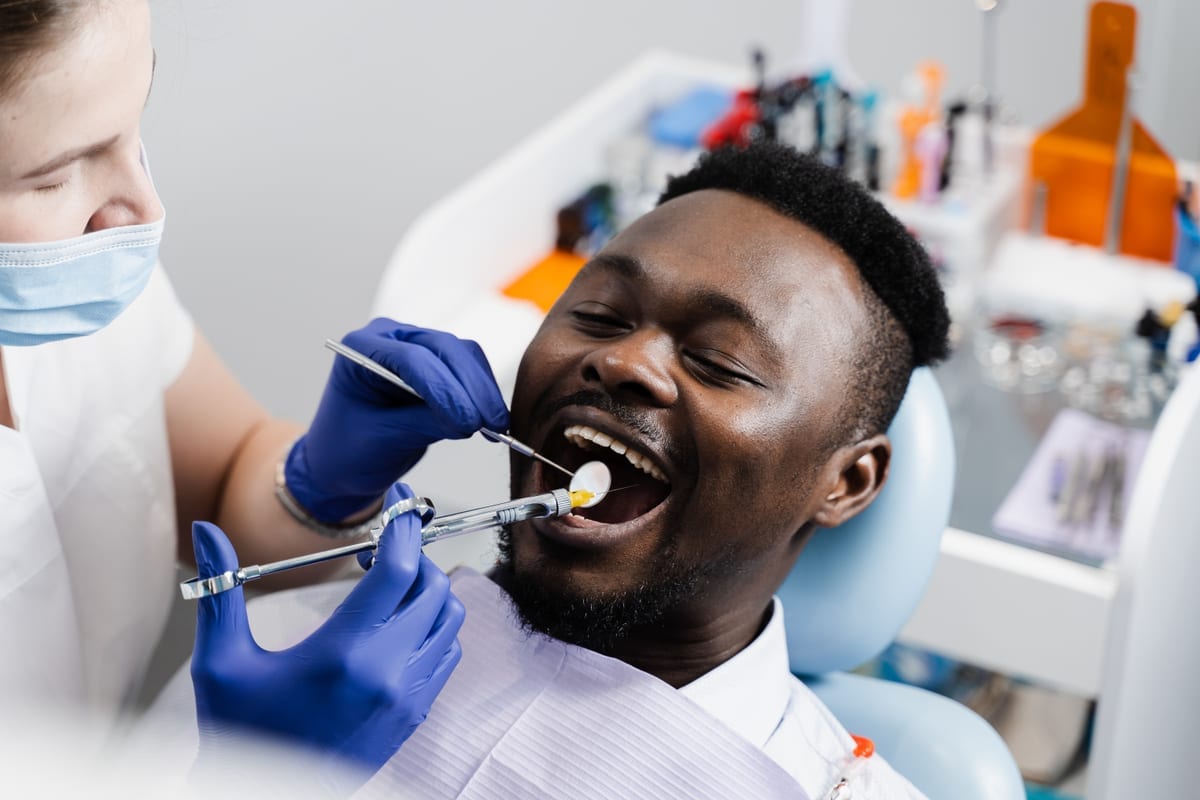
This is the question we hear most often. The honest answer is: the procedure itself should not be painful. Local anesthesia is used throughout the preparation appointment. You’ll feel pressure, but not sharp pain during the process.
Some sensitivity and mild soreness are common after the anesthesia wears off. Over-the-counter pain relief typically manages this well. Most patients return to normal activities the very next day. The temporary bridge you wear while waiting for your permanent one may feel slightly different, but it shouldn’t cause significant discomfort.
Here’s a simple breakdown of what to expect during the process:
- First visit: Abutment teeth are prepared and shaped under local anesthesia
- Impressions are taken and sent to a dental lab
- A temporary bridge is placed to protect your teeth
- Second visit: The permanent bridge is fitted, adjusted, and cemented in place
Dr. Bernitsky and our team in York prioritize your comfort at every stage. We move at a pace that works for you.
Question 4: How Long Will My Dental Bridge Last?
A well-maintained dental bridge typically lasts between 10 and 15 years. Some last even longer with excellent care. The lifespan depends on how well you clean it and whether you avoid habits that stress the bridge. Chewing ice or grinding your teeth can shorten its life significantly.
Daily brushing and flossing are essential. You’ll need to use a floss threader or water flosser to clean under the pontic. Skipping this step allows bacteria to build up underneath. That buildup can lead to decay in the abutment teeth, which threatens the entire bridge.
Regular professional cleanings here at White Rose Dentistry also play a big role. We can spot small problems before they become costly ones. Twice-yearly visits keep your bridge—and your whole mouth—in the best possible shape.
Question 5: How Does a Bridge Compare to Other Missing Tooth Options?
Patients often ask how bridges compare to implants or partial dentures. Each option has real advantages depending on your situation. A bridge is typically faster to complete than an implant. It also tends to be less invasive since no surgery is required.
Partial dentures are removable, which some patients dislike. A bridge is fixed and stays in place permanently. It feels more like a natural tooth by comparison. However, unlike an implant, a bridge does require reshaping the adjacent teeth.
For some patients, a bridge fits naturally into a broader Cosmetic Dentistry plan. It can restore your smile alongside other treatments like veneers or whitening. Dr. Bernitsky will help you understand all your choices clearly.
Here are key factors to weigh when comparing options:
- Timeline: Bridges are often complete in two visits
- Invasiveness: No surgical procedure required for a bridge
- Adjacent teeth: Some reshaping of anchor teeth is necessary
- Stability: Bridges are fixed, not removable
- Longevity: Implants may last longer but require more upfront time
Ready to Learn More About Dental Bridges in York?
Getting a dental bridge is a meaningful step toward restoring your smile and your confidence. Dr. Laura Bernitsky and the team at White Rose Dentistry are here to walk you through every question you have—honestly and without pressure. York patients deserve straightforward answers, and that’s exactly what we provide at every appointment.
You now have honest answers to the 5 common questions about dental bridges in York. The next step is simply having a conversation with our team. We’ll evaluate your specific needs and help you decide if a bridge is the right fit for you. Book Now to schedule your appointment with our team.
Frequently Asked Questions
How many teeth can a dental bridge replace?
A traditional dental bridge can typically replace one to three consecutive missing teeth. The number depends on the strength of the anchor teeth and the amount of bite pressure in that area. Dr. Bernitsky will assess your specific situation during your consultation.
Will my dental bridge look natural?
Yes. Modern dental bridges are crafted from tooth-colored porcelain or ceramic materials. They are designed to match the shape, size, and shade of your surrounding natural teeth. Most people won’t be able to tell the difference once your bridge is placed.
Can I eat normally with a dental bridge?
After a short adjustment period, most patients eat normally with a bridge in place. You should avoid extremely hard or sticky foods that could stress or dislodge the bridge. Chewing on both sides of your mouth evenly also helps extend the bridge’s lifespan.
How do I clean under a dental bridge?
Cleaning under the pontic requires a floss threader, super floss, or a water flosser. This step removes plaque and food debris that can accumulate under the false tooth. Skipping this daily step is the most common reason bridges fail prematurely.
Is getting a dental bridge a permanent decision?
A bridge is considered a long-term restoration, but it is not necessarily permanent forever. Bridges can be replaced if they wear down or if the underlying teeth change over time. Most bridges last 10 to 15 years with proper care and regular dental visits.