




When it comes to dental bone grafts, the goal is always to restore a healthy foundation for future dental implants or other restorative procedures. However, success depends on several factors, and one of the most critical ones is your lifestyle, particularly smoking. In York, patients often wonder if smoking after bone grafting is the primary reason for failure. Let’s explore the effects of smoking on the healing process and why it’s so important to avoid this habit during your recovery.
The Role of Bone Grafting in Restorative Dentistry
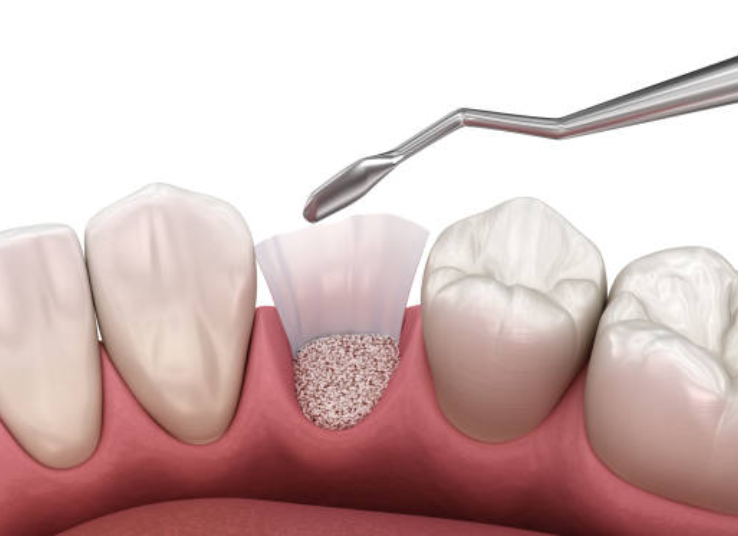
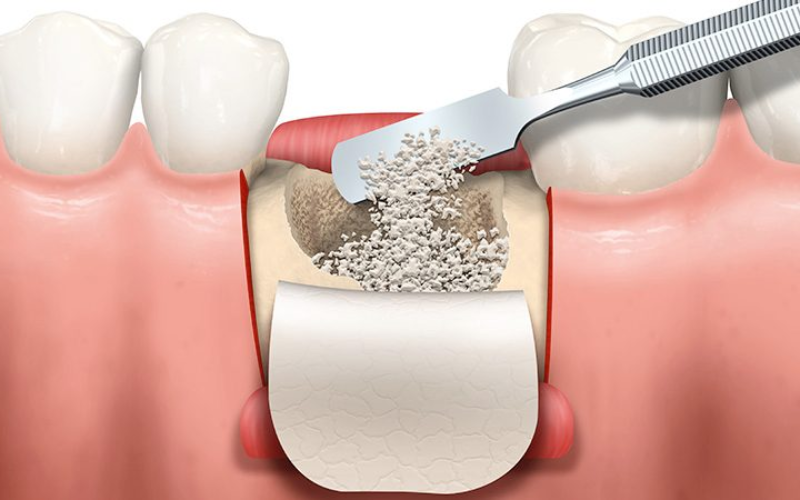
Bone grafting is a common dental procedure used to restore bone that may have been lost due to trauma, disease, or severe gum recession. This treatment provides the necessary structure for dental implants or other types of restorative care, ensuring a strong, healthy foundation for your smile.
The procedure involves taking bone material, either from your own body, a donor, or a synthetic source, and grafting it to the area where bone loss has occurred. Over time, your body will absorb and integrate the new bone into your existing structure. This process, known as osseointegration, is essential for the success of your future dental implants.
However, achieving optimal osseointegration relies heavily on your body’s ability to heal and regenerate properly. This is where smoking can pose a significant challenge.
Smoking and Bone Graft Healing: Why It’s a Major Concern
When you smoke, the chemicals in the cigarette smoke can impede your body’s ability to heal after any type of surgery, including bone grafting. Smoking reduces blood flow to the gums and bone, which can limit the delivery of oxygen and nutrients to the affected area. Without sufficient oxygen and nutrients, the body’s ability to regenerate bone tissue is compromised, putting your bone graft at risk.
Here are a few reasons why smoking can contribute to bone graft failure:
- Impaired Blood Circulation: Nicotine constricts blood vessels, reducing the amount of oxygen-rich blood that reaches the surgical site.
- Slower Healing Process: Smoking interferes with immune function and collagen production, which are essential for tissue repair.
- Increased Risk of Infection: Smoking also impairs your body’s ability to fight infections, making it more difficult for your graft to remain free of bacterial complications.
- Decreased Bone Integration: Osseointegration requires healthy bone growth. Smoking reduces the effectiveness of bone grafts by hindering the bone’s ability to fuse with the grafted material.
If you are a smoker, your risk of complications and graft failure increases significantly. Studies have shown that smokers are more likely to experience graft rejection and complications compared to non-smokers.
The Importance of Following Post-Op Instructions
After a bone graft, your dentist or oral surgeon will provide specific instructions to help ensure the success of the procedure. These instructions will include guidelines for managing swelling and pain, as well as dietary recommendations and restrictions on physical activity.
One of the most crucial guidelines will be to avoid smoking for a set period after your surgery. This is typically at least 2-4 weeks, though your dentist may recommend a longer abstinence period depending on your specific situation.
Why is this important?
Avoiding smoking immediately after your bone graft allows the body to properly heal without the hindrance of nicotine and other harmful chemicals. Your dentist will also monitor the graft site during follow-up appointments to ensure everything is progressing well.
How Long Should You Avoid Smoking After Bone Grafting?
The healing period after bone grafting can vary depending on the procedure’s complexity and the type of graft used. On average, it takes about 3-6 months for the bone to fully integrate. During this time, it’s vital to avoid smoking to give your body the best chance at success.
If you’re a smoker, your dentist in York may strongly advise quitting smoking entirely for the long-term health of your teeth and gums. However, if quitting isn’t feasible, even cutting back significantly can help reduce the risk of bone graft failure.
How Smoking Affects Your Long-Term Dental Health
The long-term effects of smoking on your oral health go beyond just bone grafts. Smoking is a leading cause of gum disease, tooth loss, and even oral cancer. If you have already had a bone graft, smoking may lead to the breakdown of gum tissue and further loss of bone. It’s a domino effect that can severely impact your smile’s health and longevity.
Alternatives to Smoking After Bone Grafting
If you’re trying to quit smoking, there are plenty of resources to help you along the way. Local York support groups, cessation programs, and even nicotine replacement therapies can provide the guidance you need to kick the habit for good. Quitting smoking is one of the best things you can do for your health – both oral and overall.
In addition to quitting, maintain a healthy diet rich in vitamins and minerals to support healing. Keeping your body strong will help your bone graft integrate successfully and help you avoid further complications.
FAQ
1. Can smoking after bone grafting cause complications?
Yes, smoking can lead to poor healing, increased infection risk, and a higher chance of graft failure.
2. How long should I wait before smoking after a bone graft?
It is recommended to avoid smoking for at least 2-4 weeks after the procedure. Your dentist may provide a more specific timeline based on your recovery.
3. Can I reduce the risk of failure if I quit smoking?
Quitting smoking entirely is the best option. Even reducing the number of cigarettes you smoke can improve your healing process.
4. What are the long-term effects of smoking on dental health?
Smoking can lead to gum disease, tooth loss, and oral cancer, making it essential to quit or reduce smoking for better oral health.