


Dental sealants are one of the simplest yet most effective ways to protect your teeth from decay, especially in hard-to-reach areas like the back molars. If you are in York, SC, or nearby, you may have heard that dental sealants can help prevent cavities, but you might be wondering: how long do these really last on your teeth? We’ll look at how long dental sealants last in this post and how you can keep them functioning for as long as possible.
Learning About Dental Sealants
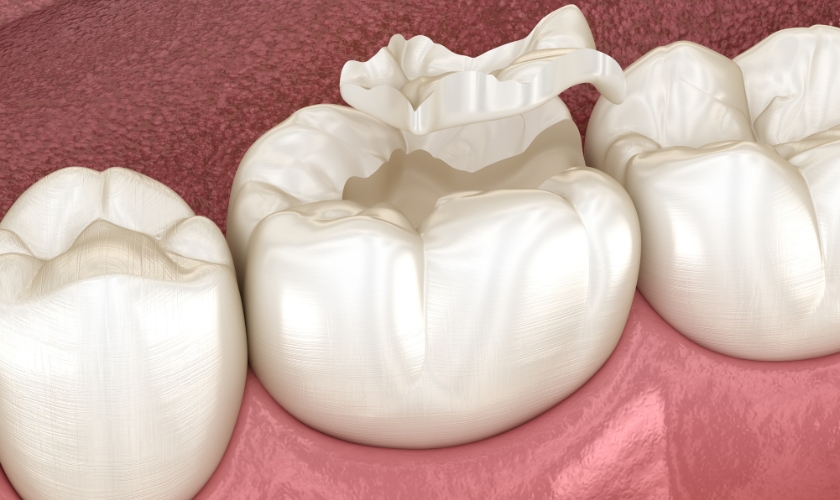
To help prevent cavities, dental sealants are thin plastic coatings applied to the chewing surfaces of your back teeth. They guard the enamel from germs, plaque, and food particles by acting as a barrier. Children who might find it more difficult to reach all the nooks and crannies of their teeth with a toothbrush will benefit from sealants.
However, for how long do you anticipate these sealants lasting? The solution varies depending on factors, including your oral hygiene practices and the amount of wear and tear your teeth undergo. On average, dental sealants in York, SC, last 5 to 10 years before they have to be reapplied. With good maintenance, some patients’ sealants may last longer; others may need to be replaced more quickly.
Factors Affecting the Longevity of Dental Sealants
How long your dental sealants stay intact depends on several things:
- Oral Hygiene Practices: Consistent brushing, flossing, and dental checkups help to maintain the integrity of your sealants.
- Diet: Eating a well-balanced diet and avoiding overly chewy or hard foods will help sealants last longer, as sticky or firm foods can wear them down.
- Wear and tear: Grinding your teeth or routinely chewing on inedible objects will cause your sealants to deteriorate more quickly.
Although dental sealants in York, SC, are designed to survive a lifetime, frequent dental checkups are necessary. Your dentist can monitor the sealants and let you know if they are still working correctly. If any damage is noticed, they can be repaired quickly and effectively.
How to Take Care of Your Dental Sealants
Follow these tips to make the most of your dental sealants benefits:
- Use fluoride toothpaste to brush your teeth at least twice daily.
- To avoid plaque from building up around the sealants, floss frequently.
- Refrain from chewing ice, pens, or other hard objects.
- Make frequent trips to your dentist for checkups and expert cleanings.
Although sealants provide excellent protection, they are not a substitute for proper oral hygiene techniques. Keeping your sealants in place requires maintaining healthy gums and teeth.
Finally: Keep Your Smile Safe!
Dental sealants can help prevent cavities in the long term if they are properly cared for. When considering dental sealants in York, SC, keep in mind that they are a simple, effective way to prevent tooth decay, especially in children. Make an appointment with White Rose Dentistry right now if it’s time for your routine dental checkup to ensure your dental sealants are still providing the protection you need.
FAQs
How do dental sealants work?
Dental sealants protect the chewing surfaces of your back teeth with a thin coating that stops plaque and germs from causing decay.
Is it possible to use dental sealants on adult teeth?
Yes, dental sealants can be beneficial for adults, particularly on cavity-prone molars.
Is it necessary to reapply sealants?
The average lifespan of a sealant is 5 to 10 years; however, it may need to be replaced sooner if it wears out or gets damaged.
Can kids use dental sealants safely?
Indeed, dental sealants are a safe and effective way to prevent cavities in children’s teeth.
What is the price of dental sealants?
Although the cost of dental sealants may vary, they are typically cost-effective for preventing dental issues.
Do dental sealants have insurance coverage?
Dental sealants are frequently covered by dental insurance policies, especially for youngsters, as a preventative step.